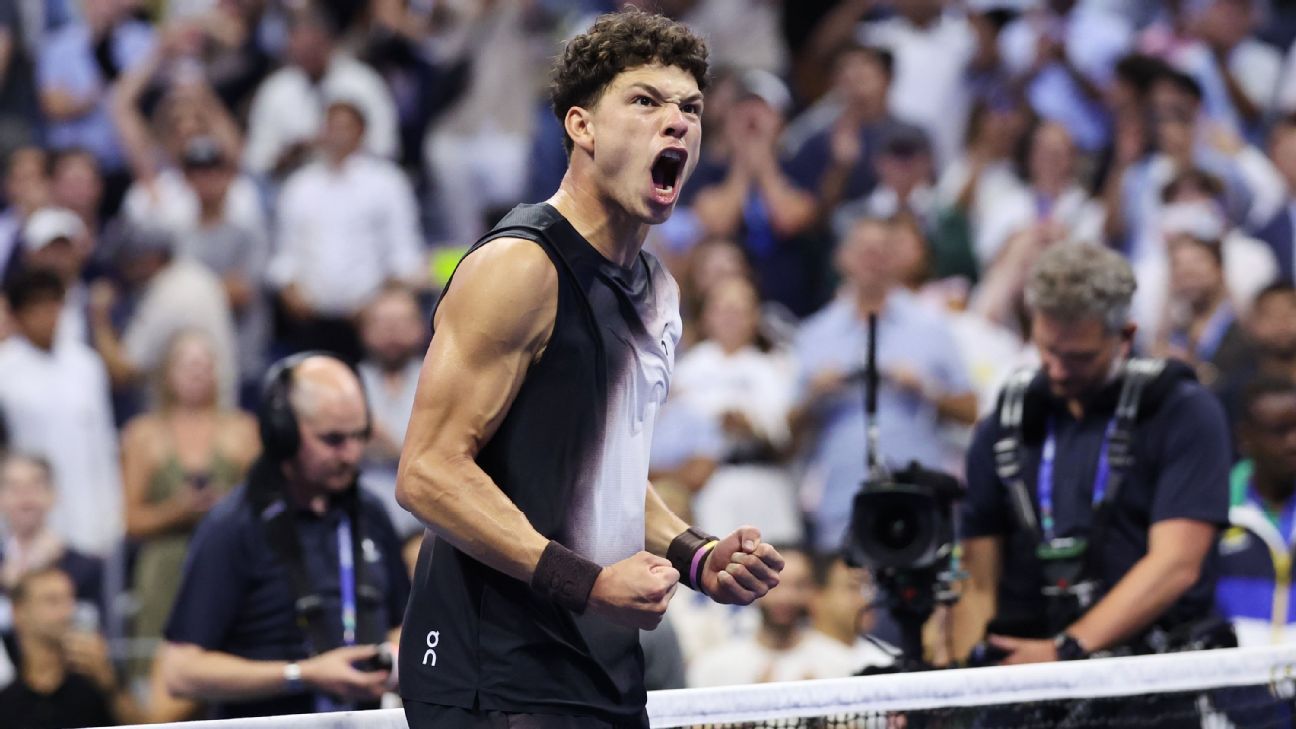
Austrian veteran Sebastian Ofner suffered a nightmare exit from Australian Open qualifying after forgetting the rules of the decisive tiebreaker while leading.
Heartbreak and Haste: Sebastian Ofner’s Premature Celebration Ends in Australian Open Disaster
In the high-stakes pressure cooker of Grand Slam qualifying, every point counts. But for Sebastian Ofner, the most important point was the one he thought he had already won. The 29-year-old Austrian found himself embroiled in a cruel twist of fate during his qualifying match against rising American star Nishesh Basavareddy, proving that even at the professional level, a momentary lapse in concentration can be a fatal mistake. This incident at the Australian Open qualifying rounds quickly became a talking point, highlighting the intense mental demands of the sport.
After battling through a grueling encounter, the match moved into a decisive final-set tiebreaker. With the intensity peaking, Ofner stormed to a dominant 7-1 lead. Believing the contest was over, he dropped his racket, raised his arms in triumph, and began the victory march toward the net to shake hands. The only problem? He had forgotten that at the Australian Open, final-set tiebreakers are played to 10 points, not the standard seven. This crucial rule variation, unique to Grand Slams and some other high-level tournaments, proved to be Ofner's undoing. The sheer elation of what he perceived as a hard-fought victory momentarily blinded him to the specific regulations governing the match's conclusion.
As the chair umpire remained silent and the scoreboard flickered, the realization slowly dawned on Ofner: the match was very much still alive. The psychological shift was instantaneous and devastating. The momentum he had meticulously built evaporated in an instant, replaced by a cocktail of embarrassment and frustration. His body language visibly changed, from triumphant swagger to a slumped, disbelieving posture. Basavareddy, gifted a second life, pounced on the opportunity with cold precision. The young American, perhaps initially stunned by Ofner's premature celebration, quickly regrouped and recognized the golden chance presented to him.
While Ofner struggled to regain his composure, the young American reeled off a string of points to claw his way back into the contest. What should have been a routine closing act for the veteran turned into a collapse of epic proportions. The crowd, initially bewildered, then grew increasingly vocal, sensing the dramatic shift in momentum. Ofner, unable to shake off the mental blow, watched as his seemingly unassailable lead dwindled. Basavareddy eventually secured the victory, leaving Ofner to exit Melbourne Park not with a win, but with a haunting lesson in the importance of knowing the rulebook. The image of Ofner Australian Open exit will undoubtedly be etched in his memory for years to come.
This stunning turnaround serves as a stark reminder of the mental fragility often found in elite sports. For Sebastian Ofner, the 2024 qualifying campaign will be remembered not for the shots he made, but for the celebration that came three points too soon. It's a testament to how quickly fortunes can change, and how deeply psychological factors influence performance at the highest levels of competition.
The Psychological Impact of a Premature Celebration
The incident involving Sebastian Ofner at the Australian Open highlights a critical aspect of professional sports: the profound psychological impact of perceived victory and subsequent disappointment. When Ofner celebrated, his brain undoubtedly released a surge of endorphins and dopamine, signaling the end of a strenuous effort and the achievement of a goal. This immediate physiological and psychological shift makes it incredibly difficult to re-engage with the same intensity and focus when the reality proves otherwise. The mental energy required to battle back from a 7-1 deficit in a tiebreaker is immense; the mental energy required to battle back from a 7-1 lead after celebrating victory is arguably even greater, bordering on insurmountable for many.
The embarrassment Ofner must have felt, coupled with the sudden loss of momentum, created a perfect storm for a collapse. His opponent, Basavareddy, benefited from the inverse psychological effect – a sudden surge of hope and renewed determination. This mental reset allowed Basavareddy to play with a freedom and aggression that Ofner, now burdened by his error, could not match. It wasn't just about the points lost; it was about the entire mental framework of the match being irrevocably altered. This kind of mental stumble can linger, affecting a player's confidence and focus in subsequent matches, making the Ofner Australian Open experience a particularly bitter pill to swallow.
Rule Variations and Player Responsibility
Ofner's unfortunate gaffe also brings into focus the nuances of tennis rules, particularly the variations across different tournaments. While standard tiebreakers in most ATP and WTA events are indeed played to seven points, Grand Slams (Australian Open, French Open, Wimbledon, US Open) have adopted various formats for deciding sets. The Australian Open, like the US Open, employs a 10-point tiebreaker in the final set. Wimbledon traditionally used a 12-12 game tiebreaker, and the French Open still plays out the final set with no tiebreaker, requiring a two-game advantage.
It is an unwritten rule, and indeed a professional expectation, that players are fully aware of the specific regulations governing the tournament they are competing in. While understandable human error can occur under immense pressure, the responsibility ultimately lies with the athlete to know the rules of engagement. This incident serves as a cautionary tale not just for aspiring professionals, but for veterans like Ofner, reinforcing the necessity of meticulous preparation that extends beyond physical training and tactical game plans to include a thorough understanding of the rulebook. The Ofner Australian Open mishap will likely be used as an example in coaching circles for years to come, emphasizing the importance of diligence in all aspects of professional tennis.
Stay informed
Follow SportsNow.
Join the reader list for future briefings and important newsroom updates.
Reader conversation
Your take on the story
Stay with the story
Related coverage
Open desk
Alcaraz, Gauff, and Sinner Set for 1 Point Slam at Australian Open
Kei Nishikori Ends Professional Career With Japan Open Loss to Frances Tiafoe