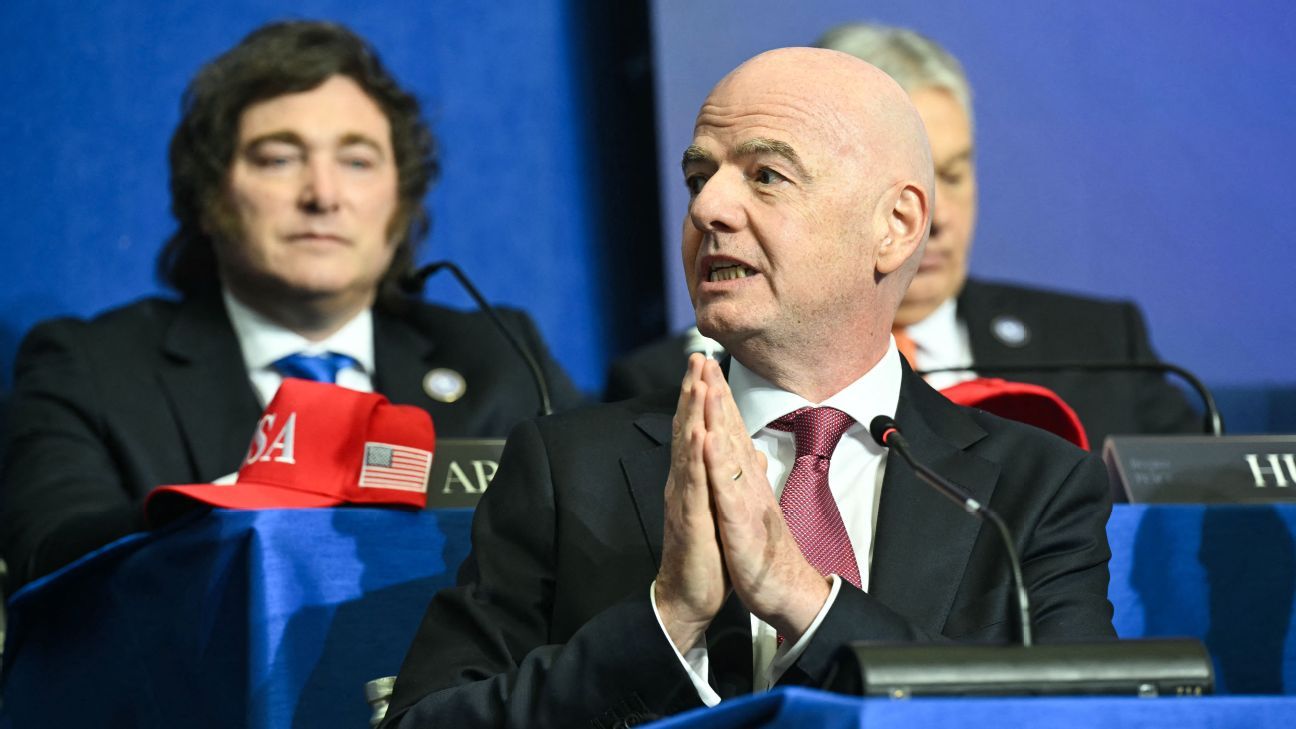
FIFA President Gianni Infantino suggests automatic dismissals for players who hide their speech during on-pitch disputes after Gianluca Prestianni's provisional ban.
FIFA President Gianni Infantino has formally proposed that any player who covers their mouth while addressing an opponent or official during a confrontation should receive an immediate red card. This regulatory shift follows the Champions League playoff first leg where Real Madrid’s Vinícius Júnior accused Benfica winger Gianluca Prestianni of directing racial slurs toward him. Prestianni was observed shielding his lips with his hand during the heated exchange, a gesture that has now become the focal point of a global disciplinary debate. UEFA officials have already responded by issuing a provisional one-match suspension to the 19-year-old Argentine, ensuring his absence from the upcoming second-leg fixture.
The proposed Gianni Infantino red cards mandate aims to eliminate the 'presumption of guilt' that arises when speech is intentionally obscured. Under current UEFA disciplinary codes, Prestianni faces a potential 10-match ban if the investigation confirms the allegations of discriminatory language. Infantino told Sky News that the act of hiding one's mouth during a verbal altercation suggests the speaker is uttering something prohibited. He emphasized that there is no sporting reason to conceal speech unless the content violates the game's code of conduct. The FIFA leader insists that the burden of transparency must rest on the players to ensure a clean environment on the pitch.
During a Saturday session of the International Football Association Board (IFAB) in Scotland, the governing body discussed fast-tracking this rule for the 2026 World Cup. English FA CEO Mark Bullingham voiced his concurrence, stating that the necessity for such secrecy during a match is non-existent. The timeline for this legislative change is aggressive, with the FIFA Congress in Vancouver next month serving as the primary venue for ratification. If approved, the mouth-covering dismissal could be integrated into the Laws of the Game by the start of the next international tournament cycle, fundamentally altering how referees manage player interactions.
UEFA’s ongoing investigation into the incident at the Estádio da Luz relies on broadcast footage and witness testimonies from those in the immediate vicinity of the confrontation. While Benfica management has publicly refuted claims that Prestianni confessed to the abuse, the player remains ineligible for selection under the Prima Facie evidence rule. Real Madrid representative Álvaro Arbeloa has publicly lauded Vinícius Júnior for his resilience and for bringing the issue to the forefront of the sport's executive agenda. The case has highlighted a perceived loophole in officiating where players use physical gestures to bypass lip-reading technology and forensic audio analysis.
Infantino’s vision for the sport includes a tiered system of justice where public apologies could potentially mitigate the severity of long-term bans. He suggested that if a player admits to a mistake made in the heat of a high-stakes match, the disciplinary committee might consider a reduced sentence. This approach seeks to balance the harshness of an on-field red card with a path toward restorative accountability. By incentivizing honesty, FIFA hopes to dismantle the culture of denial that often follows accusations of on-field racism. The organization is looking to move beyond mere fines, seeking a cultural transformation that prioritizes the dignity of all participants.
The technical implementation of the mouth-covering rule would require referees to monitor hand positions during every stoppage in play. Officials would be instructed to view the gesture as a form of unsporting behavior equivalent to violent conduct or serious foul play. This would place a new level of scrutiny on the 22 players on the field, as even a momentary shield of the lips could result in a team being reduced to ten men. FIFA’s legal department is currently drafting the specific language to distinguish between natural movements, such as coughing or adjusting a mask, and the deliberate concealment of speech during an argument.
Data from recent seasons indicates a rise in reported verbal abuse cases where no definitive audio evidence could be recovered due to players' tactical use of their jerseys or hands to block sightlines. The Prestianni incident serves as the definitive catalyst for this crackdown, as the lack of clear visual evidence has complicated the prosecution of the case. By making the act of concealment a red-card offense in itself, FIFA removes the need to prove exactly what was said to justify an ejection. This shift represents a move toward a 'zero-tolerance' visual standard that simplifies the referee's decision-making process during volatile moments.
As the football world looks toward the Vancouver Congress, the global community remains divided on whether the punishment fits the gesture. However, Infantino remains steadfast, arguing that the integrity of the sport depends on the ability to hold players accountable for their words. The 2026 World Cup is expected to be the first major testing ground for these protocols, setting a precedent for domestic leagues worldwide. For now, the focus remains on the UEFA disciplinary chamber's final ruling on Prestianni, which will set the tone for how mouth-covering is treated in the interim period before the new laws are officially codified.
Stay informed
Follow SportsNow.
Join the reader list for future briefings and important newsroom updates.
Reader conversation
Your take on the story
Stay with the story
Related coverage
Open desk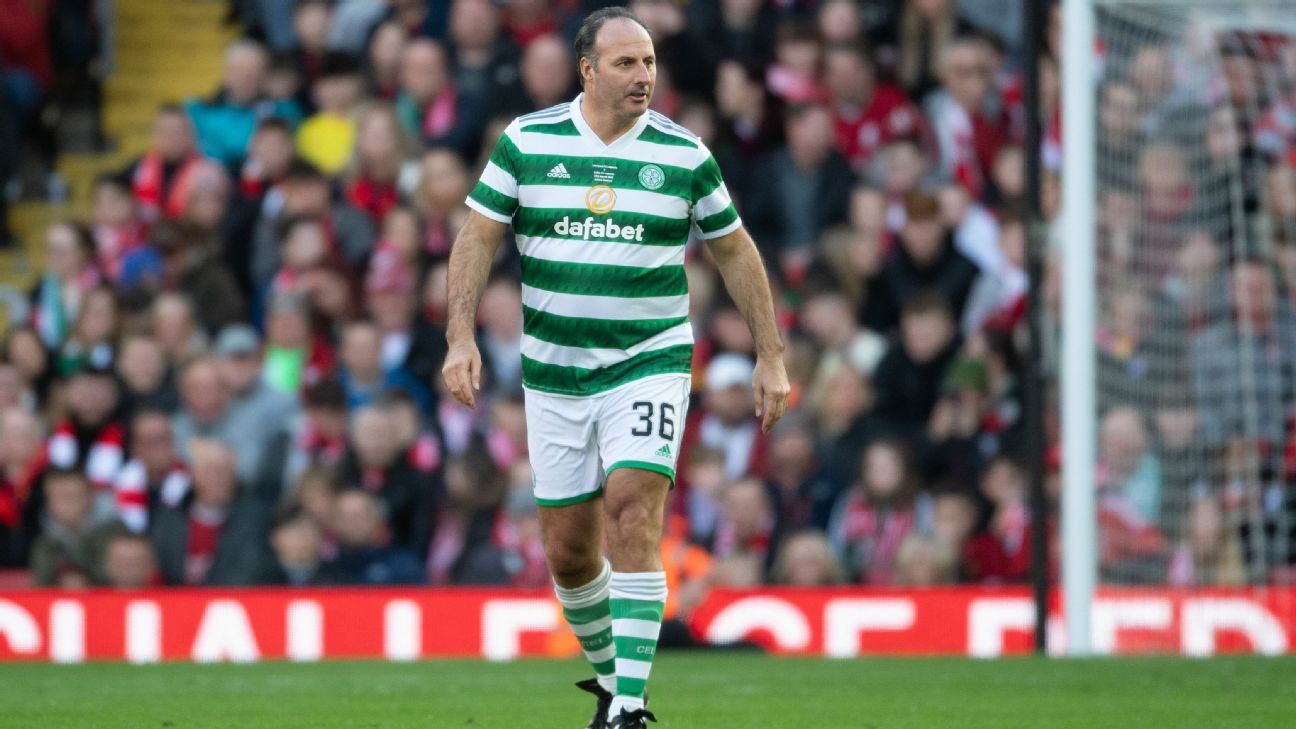
Ramon Vega Announces Challenge to Gianni Infantino for FIFA Presidency
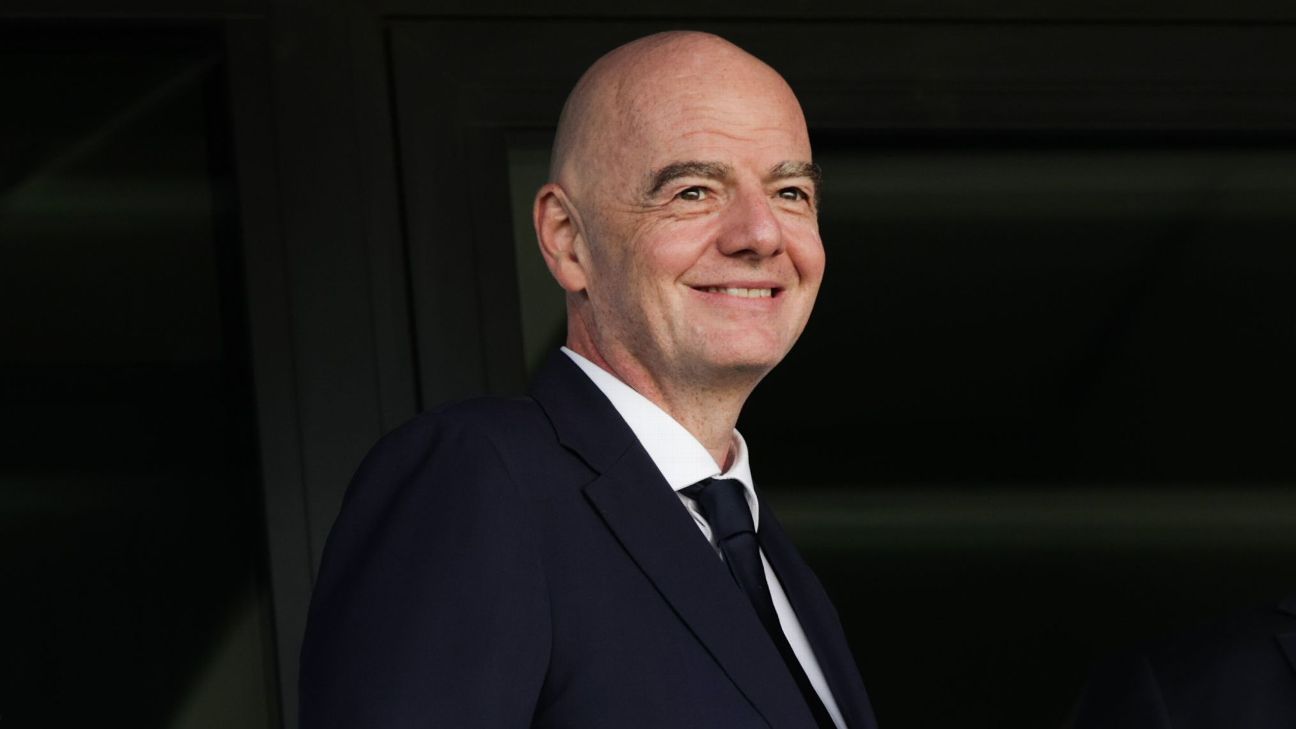
Infantino Claims Support of 'Vast Majority' for FIFA Re-election Bid