Aaron Judge utilized the Automated Ball-Strike System to reverse a strike call before launching a two-run homer in New York's 3-0 shutout of San Francisco.
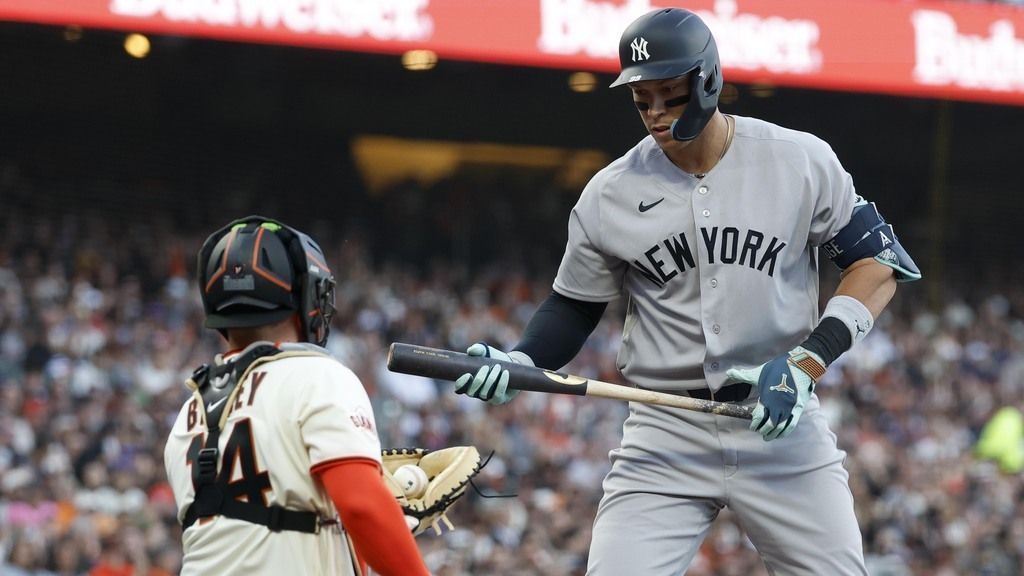
The New York Yankees secured a 3-0 victory over the San Francisco Giants on Friday night, a contest defined by a sixth-inning intervention from the Automated Ball-Strike System. Aaron Judge, entering the plate appearance with an 0-for-7 season start and five strikeouts from the previous Wednesday, faced an 86.1 mph slider from Robbie Ray. Plate umpire Chad Fairchild initially ruled the pitch a strike, but Judge signaled for a review by tapping his helmet. The 12 Hawk-Eye cameras powering the robot umpire overturned the call to a ball. Five pitches later, Judge drove a 405-foot two-run home run into the left-field seats, scoring Paul Goldschmidt, who had reached base on a leadoff double.
Statistical data from the first two games of the series shows New York successfully converted two out of three challenges using the digital tracking software. San Francisco managed a 1-for-2 success rate in that same timeframe. During the subsequent Saturday matchup, plate umpire Chad Whitson presided over seven total challenges, every single one of which resulted in an overturned call. Of those seven reversals, four were initiated by the Giants and three by the Yankees. Despite the technical accuracy, Judge noted that the team might have over-analyzed the transition, mentioning that the Bronx Bombers held an excessive number of meetings regarding the new technology during the preseason.
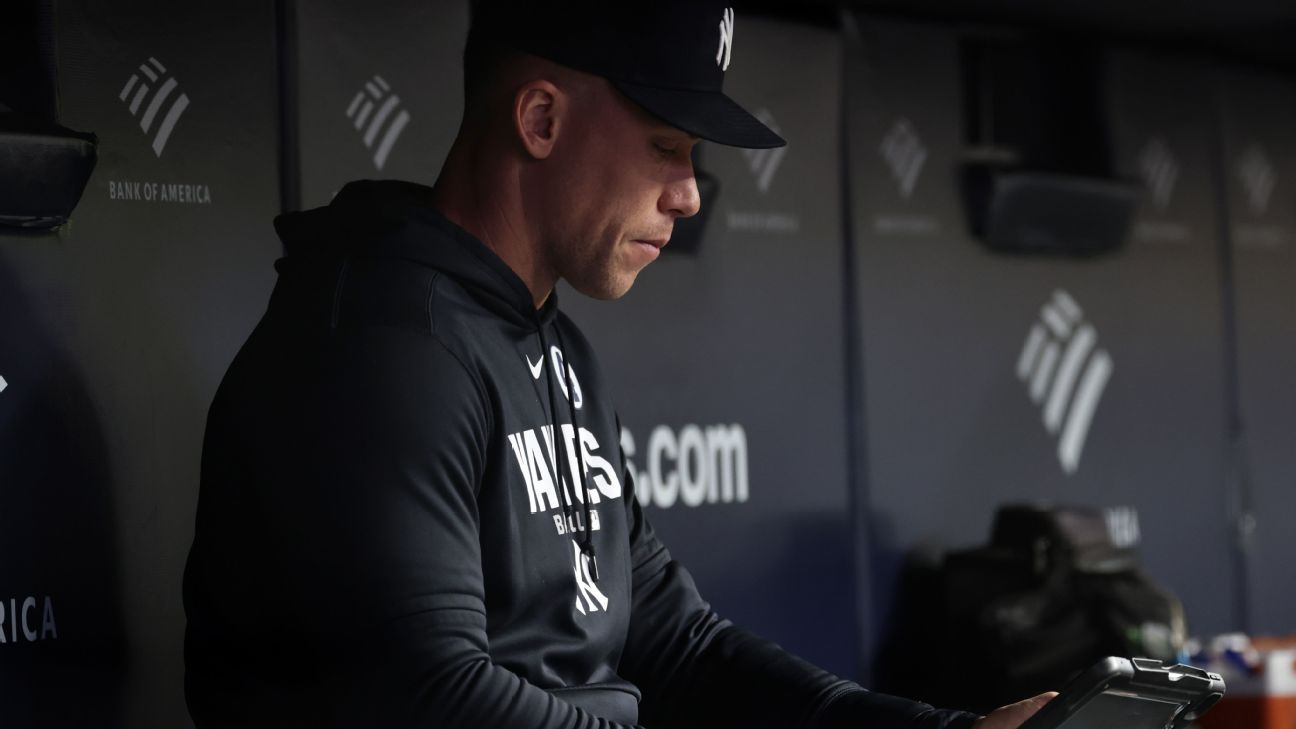
Manager Aaron Boone described his own approach to the ABS as "anal" and "obsessive." Throughout spring training, the skipper curated eight to 10 specific video examples from various games to educate his roster on the nuances of the challenge process. Boone frequently approached individual players to critique their decision-making, emphasizing that emotion must be removed from the choice to appeal a call. The Yankees' organizational discipline is reflected in their 25.6% chase rate from the previous season, which ranked as the second-lowest in Major League Baseball, trailing only the Milwaukee Brewers according to Sportradar metrics.
While Judge’s Friday challenge was successful, the Yankees also hold the distinction of the first lost challenge in MLB history. Jose Caballero unsuccessfully appealed a call during New York’s 7-0 season-opening win on Wednesday. In a separate instance, Jazz Chisholm Jr. challenged a called third strike in the second inning against Tyler Mahle, but the electronic strike zone confirmed the original ruling. Judge has stated he intends to reserve his challenges for high-leverage situations, specifically aiming to flip counts when runners like Goldschmidt are in scoring position, rather than contesting every marginal pitch.
The implementation of the 12-camera Hawk-Eye array requires hitters to balance mechanical focus with the new tactical element of the game. Judge characterized the experience as "weird" but acknowledged it as a necessary evolution for professional baseball. Boone maintains that the current Yankees roster is uniquely constructed to benefit from this shift, provided they continue to refine their instincts. The manager’s strategy involves constant feedback loops where players analyze the trajectory of pitches like Ray’s 86.1 mph slider to better understand the digital boundaries.
During the Saturday game following his home run, Judge grounded out in his first at-bat, illustrating the ongoing adjustment period for even the league's top hitters. The computerized officiating tool operates by relaying a digital signal to the umpire’s earpiece, but the challenge component remains the only way for players to actively contest human error in real-time. New York’s coaching staff continues to monitor the success rates of these appeals to determine if certain pitchers or pitch types, such as high-velocity fastballs or sweeping sliders, are more prone to being miscalled by human eyes compared to the optical sensors.
The 405-foot blast by Judge served as his first hit of the 2026 campaign, ending a hitless streak that had persisted through the opening series. By utilizing the review mechanism to avoid a 1-2 count, Judge was able to reset the plate appearance and wait for a pitch he could drive. This specific sequence highlights the potential for the technology to alter the outcome of individual innings and, consequently, entire games. The Yankees' focus remains on leveraging their low chase rate to maximize the utility of their three allotted challenges per game, ensuring that the automated technology acts as a safety net for their most disciplined batters.
Boone’s obsession with the system extends to the defensive side, where catchers must also adapt to the reality that framing may become less impactful under the new rules. The team’s preparation involves simulating high-pressure scenarios where a single ball or strike call could determine the win-loss result. As the season progresses, the Yankees aim to maintain their high conversion rate on challenges, currently sitting at 66% through the first 48 hours of the system's official MLB debut. This data-driven approach is designed to provide a marginal gain in a sport where the difference between a strikeout and a home run is often measured in millimeters.
Stay informed
Follow SportsNow.
Join the reader list for future briefings and important newsroom updates.
Reader conversation
Your take on the story
Stay with the story
Related coverage
Open desk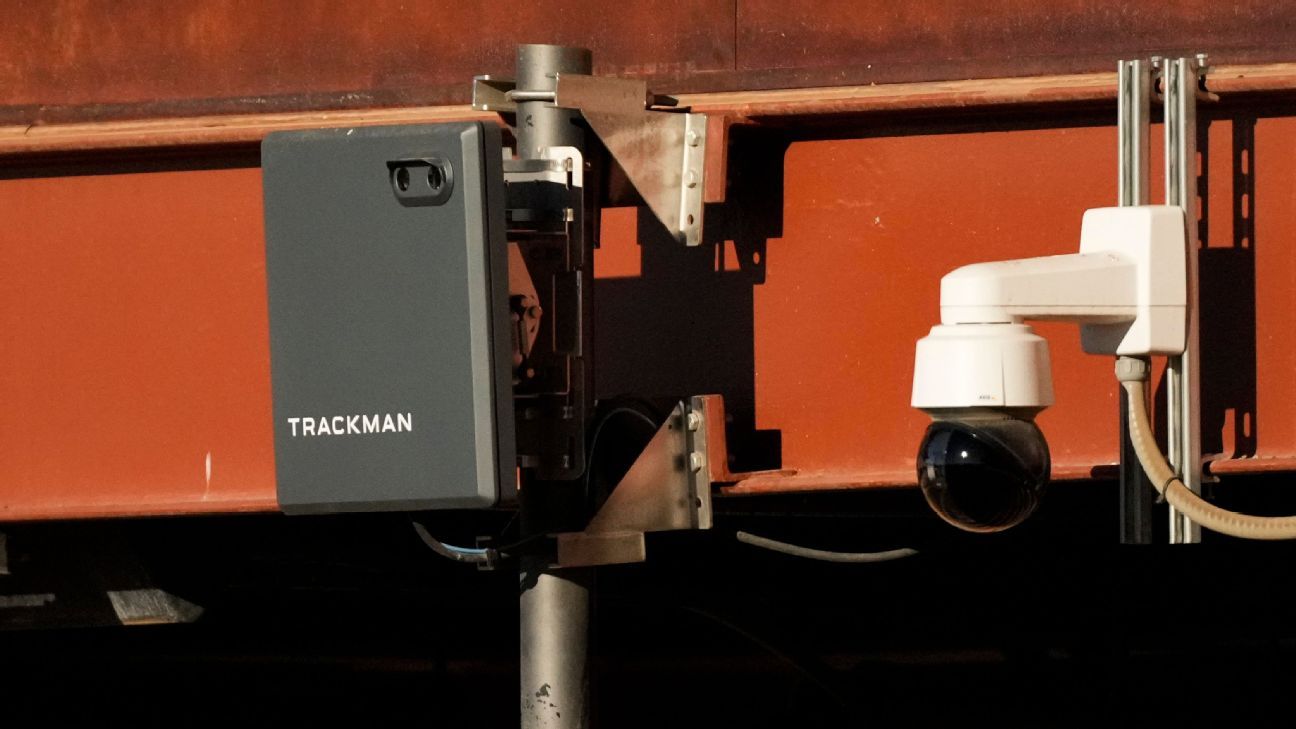
MLB Debuts Automated Ball-Strike System as Umpires Hit Record 92.83% Accuracy
Yankees Face Rays in ALDS as Aaron Judge Injury Decision Looms