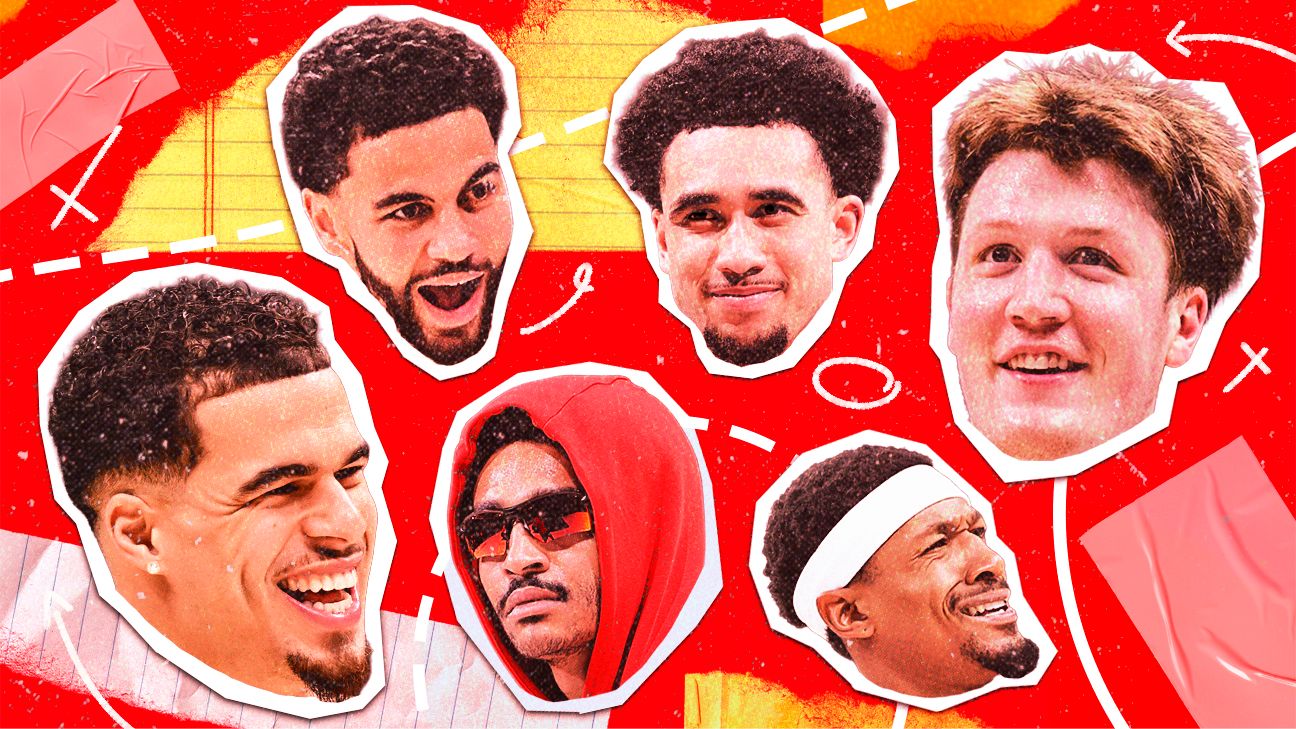
This NBA transactions ranking evaluates the 10 best and 10 worst roster moves since last summer, including Bradley Beal and Jared McCain.
The Phoenix Suns finalized a monumental trade to acquire Bradley Beal from the Washington Wizards on June 24, 2023, sending Chris Paul, Landry Shamet, and a package of second-round picks in exchange for the three-time All-Star. This specific maneuver serves as a benchmark for high-stakes veteran acquisitions within a comprehensive evaluation of league-wide personnel shifts. Meanwhile, the Philadelphia 76ers utilized the 16th overall pick in the 2024 draft to secure Jared McCain, a freshman guard out of Duke who averaged 14.3 points per game while shooting 41.4% from beyond the arc. These two distinct moves represent the polar ends of roster construction strategies employed by front offices over the last twelve months.
Statistical analysis of the most successful front-office decisions highlights the immediate impact of role-player integration. For instance, the Dallas Mavericks’ acquisition of Daniel Gafford and P.J. Washington at the February deadline transformed their defensive rating from 22nd to 7th in the final quarter of the season. Such data points are essential when categorizing elite executive maneuvers, as they demonstrate how mid-season adjustments can pivot a franchise toward a deep postseason run. The 76ers' decision to draft McCain adds a layer of youthful perimeter scoring to a roster anchored by Joel Embiid, providing a cost-controlled asset that balances the heavy financial commitments of their veteran core.
Conversely, the least effective moves often involve significant salary cap inflexibility or the loss of future draft capital for diminishing returns. The Bradley Beal trade, while adding a dynamic scorer, forced the Suns into the second apron of the luxury tax, limiting their ability to sign free agents to anything more than veteran minimum contracts. This fiscal constraint is a primary metric used to determine the lower tier of front-office productivity, where the long-term health of a franchise is weighed against immediate talent upgrades. When a team sacrifices five second-round picks and multiple pick swaps for a player with a no-trade clause, the margin for error becomes razor-thin, often resulting in stagnant roster depth.
Evaluating the 2024 rookie class reveals a shift toward prioritizing shooting gravity. Jared McCain’s 88.5% free-throw percentage at the collegiate level served as a predictive indicator of his professional floor spacing capabilities. Teams that successfully identified these specific traits in the draft often find themselves in the 'best' category of this 20-entry report, as they avoid the inflated costs of the free-agent market. The contrast between a rookie scale contract and a supermax extension, like the one Beal carries, illustrates the divergent paths teams take to achieve championship contention. Each entry is backed by win-loss differentials and efficiency ratings recorded since the deals were finalized.
Strategic failures often stem from a lack of positional synergy, a factor that heavily influences the "10 worst" designations. When the Los Angeles Clippers moved for James Harden in November 2023, the initial 0-5 start raised questions about the overlapping skill sets of ball-dominant wings. While the team eventually found a rhythm, the initial cost of two first-round picks and a pick swap remains a significant data point in this comparative study. This analysis strictly follows the documented outcomes of these trades and signings, ensuring that every placement is tethered to on-court performance and salary cap management. The final assessment provides a factual blueprint of the league's current executive landscape.
Stay informed
Follow SportsNow.
Join the reader list for future briefings and important newsroom updates.
Reader conversation
Your take on the story
Stay with the story
Related coverage
Open desk
Wembanyama Signs $252M Extension as Morant Joins Portland in Major Trades
NBA 2026-27 Preview: Thunder Ranked First as Major Stars Change Teams