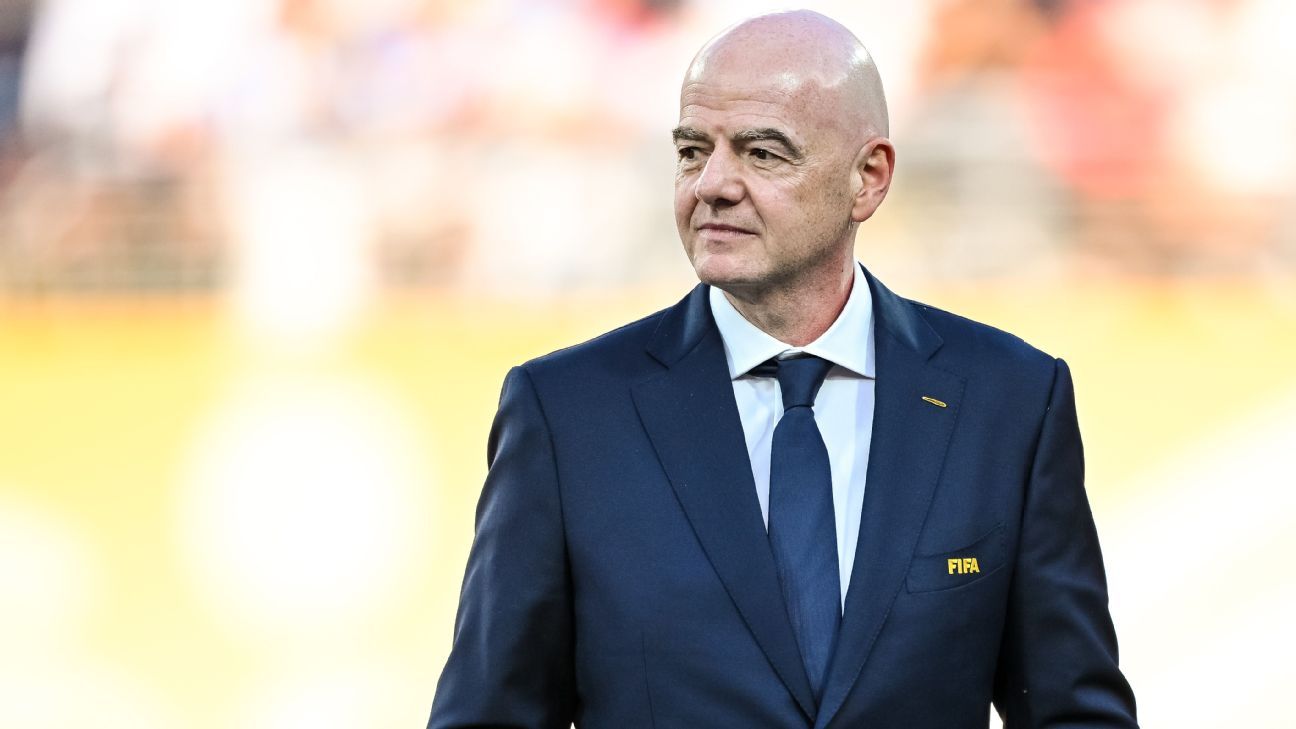
New Zealand Football has formally withdrawn its support for Gianni Infantino's 2027 FIFA presidential bid, citing a breakdown in trust.
New Zealand Football (NZF) officially withdrew its support for FIFA President Gianni Infantino on August 14, 2026, at 04:30 AM ET, marking a significant fracture within the Oceania Football Confederation (OFC). The national governing body confirmed it will not back the incumbent during the FIFA Congress scheduled for March, where Infantino seeks a fourth term. This decision isolates New Zealand as the only member of the 11-nation OFC to publicly oppose the president, following a controversial and now-aborted plan to sell a stake in the World Cup to private investors. The federation’s stance represents a total departure from the collective regional consensus usually seen in Oceania politics.
Key details
Specific grievances center on the FIFA Forward Enterprise (FFE) scheme, a proposal involving private investment in the World Cup that has since been withdrawn. NZF has formally requested an independent review of the steps taken to develop this enterprise to restore confidence in the administration. By taking this action, the New Zealand board has aligned itself with the European governing body UEFA, the North and Central American confederation Concacaf, and the Asian Football Confederation (AFC). Individual associations including England, Wales, and the Republic of Ireland have also confirmed they will not vote for the incumbent, creating a formidable bloc of dissenters ahead of the 2027 vote.
In a statement released on Friday, NZF asserted that recent actions within FIFA have contributed to increased division and a breakdown in trust within international football. The federation emphasized that this moment provides an opportunity for all member associations to demand stronger governance, accountability, and transparency. While NZF has taken a hard stance against the presidency, the wider OFC executive committee stopped short of calling for Infantino's exit. The OFC is the final confederation to declare its position, choosing to welcome the withdrawal of the FFE proposal while encouraging FIFA to use the subsequent review to implement necessary changes. This internal friction highlights a growing gap between the regional leadership and its most prominent member nation.
Latest developments
Despite the revolt from New Zealand and major global confederations, Infantino maintains backing from the Confederation of African Football (CAF) and the South American governing body CONMEBOL. Additionally, six Arab federations continue to support the president despite the controversy surrounding the World Cup investment plan. The OFC statement acknowledged progress made in Oceania football development over the last decade under current leadership but maintained a focus on the upcoming review of the FFE project. The 2027 FIFA Congress will serve as the definitive arena for these conflicting positions, as NZF advocates for a total shift in global game administration to maintain the confidence of its members.
The timeline of this fallout began with the secret development of the FFE project, which aimed to monetize the flagship tournament through external capital. When the details surfaced, the backlash was immediate, leading to the project's cancellation. NZF’s leadership believes that the mere existence of such a plan without broad consultation was a breach of fiduciary duty to the member associations. They are now calling for a complete overhaul of the decision-making process at the highest levels of the sport. This move is seen as a high-stakes gamble for New Zealand, as it risks political isolation within its own confederation while seeking to lead a global movement for reform.
Financial transparency remains the cornerstone of the NZF protest. The organization argues that the distribution of World Cup revenues must remain under the direct control of the member nations rather than being subject to the whims of private equity partners. By demanding an independent audit of the FFE's inception, New Zealand is pushing for a level of scrutiny that FIFA has rarely faced from within its own ranks. The outcome of the March Congress will determine if this push for accountability gains enough momentum to unseat the incumbent or if the existing power structures will hold firm against the New Zealand-led opposition. As the date approaches, the focus remains on whether other OFC members will follow the Kiwi lead or remain loyal to the status quo.
Stay informed
Follow SportsNow.
Join the reader list for future briefings and important newsroom updates.
Reader conversation