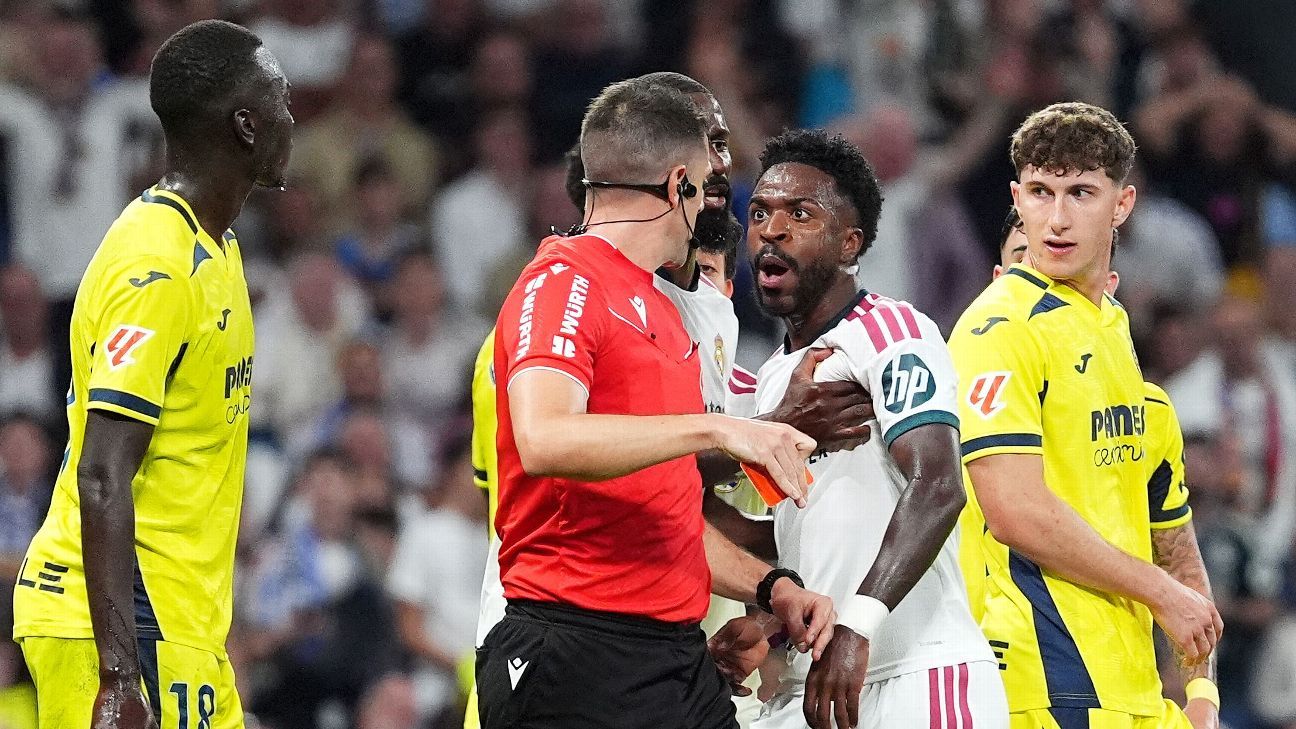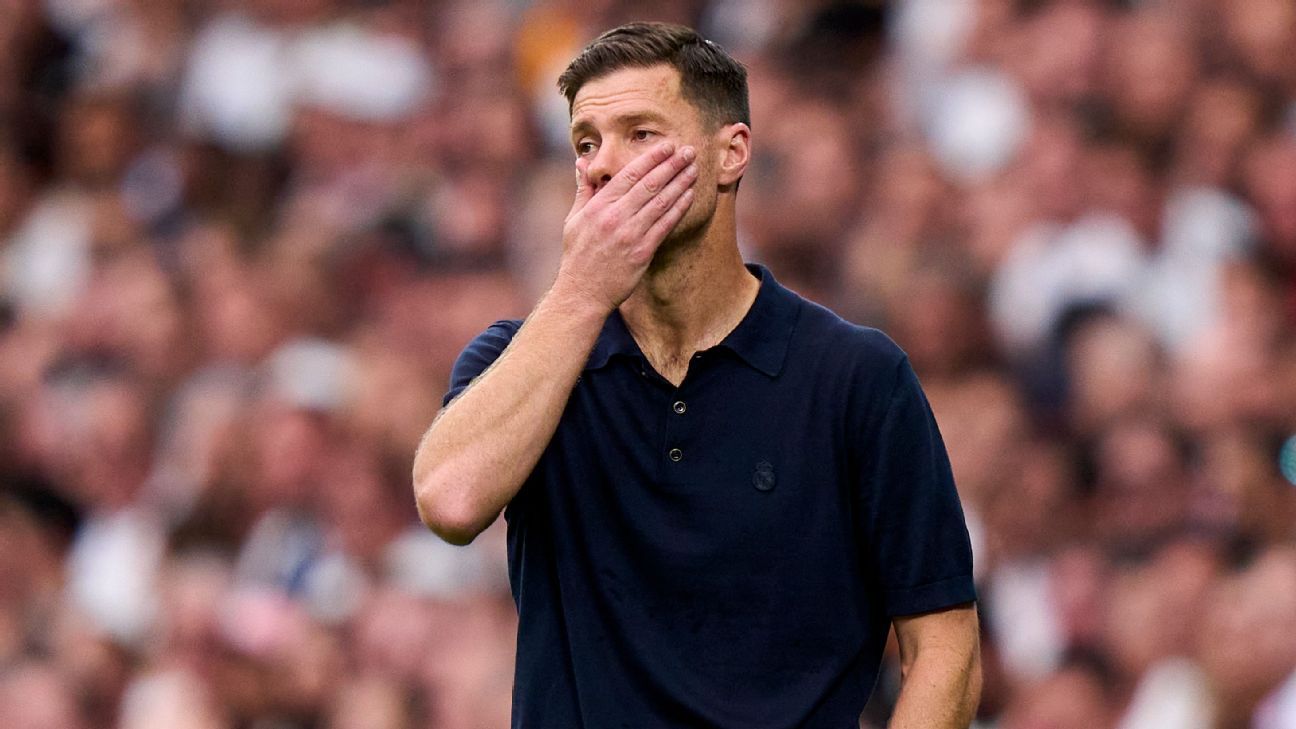
Real Madrid has parted ways with Xabi Alonso, but dismissing the manager feels like applying a bandage to a broken limb as structural issues continue to plague the Spanish giants.
Scapegoat at the Bernabéu: Why Sacking Alonso Won’t Cure Madrid’s Deep-Rooted Malaise
The revolving door at the Santiago Bernabéu has claimed its latest victim. Xabi Alonso’s departure marks the end of a tenure defined by tactical experimentation and flashes of brilliance, yet shadowed by inconsistent results. While the purists will argue that Alonso’s lack of a 'Plan B' during crucial European nights justified the board's decision, viewing his dismissal as a magic pill for Real Madrid’s current identity crisis is a dangerous exercise in revisionist history. The underlying Real Madrid problems run far deeper than just one man's tactical approach.
Alonso was far from flawless, often struggling to balance a top-heavy roster that seemed more like a collection of expensive assets than a cohesive unit. His attempts to implement a fluid, possession-based system often faltered against well-drilled opposition, particularly when key players were absent or out of form. However, the narrative that his tactical rigidity was the sole cause of Madrid’s recent slump ignores the glaring deficiencies in the squad’s construction. From an aging midfield that has finally lost its engine room, with legends like Luka Modric and Toni Kroos showing undeniable signs of decline in their ability to cover ground and dictate tempo for 90 minutes, to a defensive line consistently left exposed by a lack of protection and pace, the problems are systemic, not just strategic. The squad's imbalanced composition created a continuous uphill battle for any manager, highlighting the pervasive Real Madrid problems.
To lay the blame entirely at the feet of the manager is to ignore the lack of long-term sporting direction coming from the executive offices. For years, the club has relied on individual moments of magic—the ‘Remontada’ spirit—to paper over the cracks of an unbalanced team. This reliance on heroic comebacks, while thrilling, has masked the deeper Real Madrid problems related to squad planning and strategic recruitment. Alonso tried to implement a modern, high-pressing structure, demanding relentless energy and coordinated movement, but he was dealt a hand that wasn't built for that style of play. The squad lacked the specific profiles needed to execute such a demanding system consistently, particularly in defensive transitions. Sacking him provides a convenient distraction, a public display of action, but it doesn't fix the fact that the squad needs a total overhaul rather than just a new voice in the dressing room.
As the hunt for a high-profile successor begins, the Madrid faithful must brace themselves for a harsh reality: changing the man on the touchline will do little if the fundamental rot remains. Until the club addresses its recruitment philosophy and restores balance to the pitch, the Bernabéu will remain a gilded cage for any manager, no matter how legendary their status. Alonso may be gone, but the ghosts of Madrid’s structural failures still haunt the halls, ensuring the Real Madrid problems persist.
The Flawed Recruitment Strategy and Its Consequences
One of the most significant Real Madrid problems lies in its recruitment strategy, which has often prioritized superstar signings over tactical fit and squad balance. While the allure of bringing in world-class talent is undeniable for a club of Real Madrid's stature, this approach has frequently led to an accumulation of attacking players without adequate investment in other crucial areas. For instance, the consistent pursuit of marquee forwards has sometimes left the defensive midfield and full-back positions vulnerable, forcing managers to deploy players out of position or rely on aging stalwarts for longer than ideal.
This star-studded, yet often disjointed, assembly of talent creates a perpetual challenge for any coach. How do you integrate multiple Ballon d'Or contenders into a cohesive unit without sacrificing defensive solidity or midfield control? The answer, more often than not, has been to compromise, leading to a team that can dazzle in flashes but lacks the consistent control and tactical discipline required to dominate Europe year after year. The club's recent transfer windows have seen a focus on young, high-potential players, which is a positive step, but these talents also need time to develop and integrate, and they cannot instantly solve the deep-seated Real Madrid problems that have accumulated over several seasons. The pressure to win immediately at Real Madrid often means these young players are thrown into the deep end, expected to perform at an elite level from day one, which can stifle their growth and exacerbate existing squad imbalances.
The Fading "Galáctico" Era and the Need for a New Identity
The "Galáctico" era, while iconic and successful in its time, has inadvertently contributed to the current Real Madrid problems by embedding a culture of individual brilliance over collective synergy. For decades, the club thrived on signing the world's best players, often expecting their sheer talent to overcome any tactical deficiencies. This philosophy, while delivering unforgettable moments and numerous trophies, has become increasingly unsustainable in modern football, where tactical sophistication and team cohesion are paramount.
The current squad, while still possessing immense individual quality, struggles to consistently perform as a unified, well-oiled machine. Opponents, particularly in the Champions League, are no longer intimidated solely by big names; they exploit tactical weaknesses and capitalize on any lack of collective pressing or defensive organization. The "Remontada" spirit, once a hallmark of Madrid's indomitable will, has become a crutch, a hope that individual magic will bail the team out of systemic failures. While resilience is admirable, relying on it consistently indicates a deeper issue – the inability to control games from start to finish. For Real Madrid to truly reclaim its dominance, it needs to evolve beyond the Galáctico model and forge a new identity built on tactical coherence, balanced squad construction, and a clear long-term sporting vision that addresses these fundamental Real Madrid problems head-on. This requires a shift in mindset from the very top, prioritizing strategic planning over short-term star power.
Stay informed
Follow SportsNow.
Join the reader list for future briefings and important newsroom updates.
Reader conversation
Your take on the story
Stay with the story
Related coverage
Open desk
Real Madrid Demands Resignation of Javier Tebas Over Nazi Propaganda Reference
Real Madrid Stuns Roma With Seven-Minute Second-Half Rally