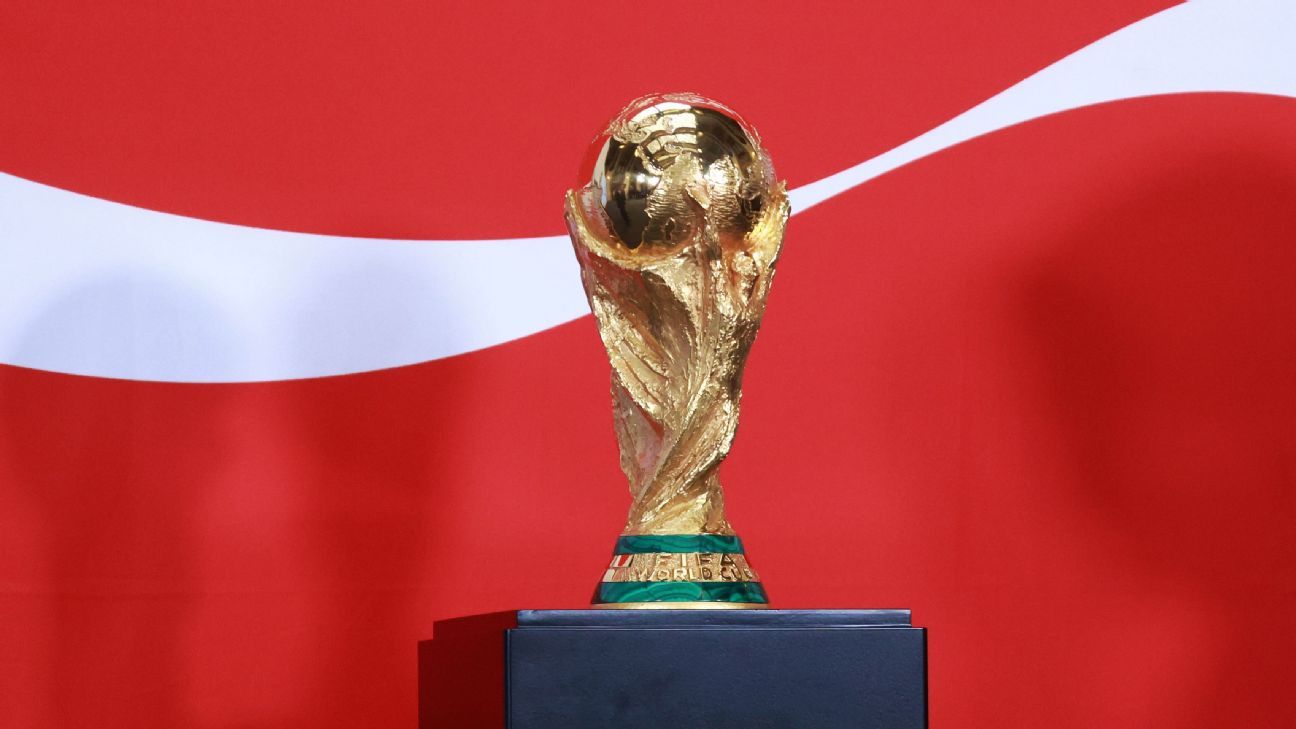
The European qualification path concludes with a 16-team playoff tournament where only four nations will secure a ticket to the 2026 FIFA World Cup.
The 2026 World Cup European playoffs involve 16 national teams competing for the final 4 qualification slots allocated to UEFA. This final stage follows the conclusion of the group phase, where 12 group winners secured direct entry into the tournament. The remaining field consists of the 12 runners-up from those initial groups, supplemented by the 4 best-ranked UEFA Nations League group winners who did not finish in the top two of their respective qualifying sections. These 16 participants are divided into four distinct playoff paths, with each bracket functioning as a mini-tournament consisting of single-leg semifinals and a decisive final match.
Statistical probability dictates that only 25% of the playoff field will advance to the global stage. The 12 group runners-up enter this phase with varying point totals from their previous 8 or 10 matches, while the Nations League entrants rely on their performance across the 2024/25 international cycle. Home-field advantage for the semifinal round is awarded to the six best-ranked runners-up based on their qualifying group records, excluding results against sixth-placed teams in six-team groups. This seeding process ensures that the most consistent performers during the primary campaign receive a geographical edge in the opening knockout fixture.
Match officials will utilize Video Assistant Referee (VAR) technology across all playoff fixtures to ensure accuracy in high-stakes decision-making. Each semifinal winner progresses to a path final, where a random draw determines which nation hosts the ultimate qualification showdown. The 4 path winners will join the 12 automatic qualifiers to complete Europe’s expanded 16-team contingent for the 48-team tournament. This structure eliminates the traditional two-legged aggregate format, meaning 90 minutes of regulation time, followed by 30 minutes of extra time and a penalty shootout if necessary, will decide every participant's fate.
Disciplinary records from the group stage carry over into the semifinals, with players accumulating two yellow cards facing a one-match suspension. However, single cautions are typically wiped following the completion of the playoff semifinals to prevent players from missing the World Cup opener due to a minor infraction in the path final. Coaching staffs must manage 23-man rosters under these constraints, navigating the physical toll of two high-intensity matches scheduled within a six-day international window. The financial implications for the four successful federations are significant, involving multi-million dollar participation fees and increased commercial revenue opportunities.
Tactical preparation for these 16 nations focuses on the sudden-death nature of the bracket. Unlike the group stage where goal difference serves as a secondary tiebreaker over a long schedule, these playoffs prioritize immediate results. The four successful sides will be integrated into the final tournament draw, occupying slots in the fourth seeding pot unless their FIFA World Ranking dictates a higher placement. As the 12 group runners-up and 4 Nations League qualifiers converge, the intensity of European football reaches its peak, finalizing the UEFA representation for the first-ever 48-team World Cup hosted across North America.
Stay informed
Follow SportsNow.
Join the reader list for future briefings and important newsroom updates.
Reader conversation
Your take on the story
Stay with the story
Related coverage
Open desk
UEFA Demands FIFA Responses on $20B World Cup Plan and Balogun Red Card Reversal
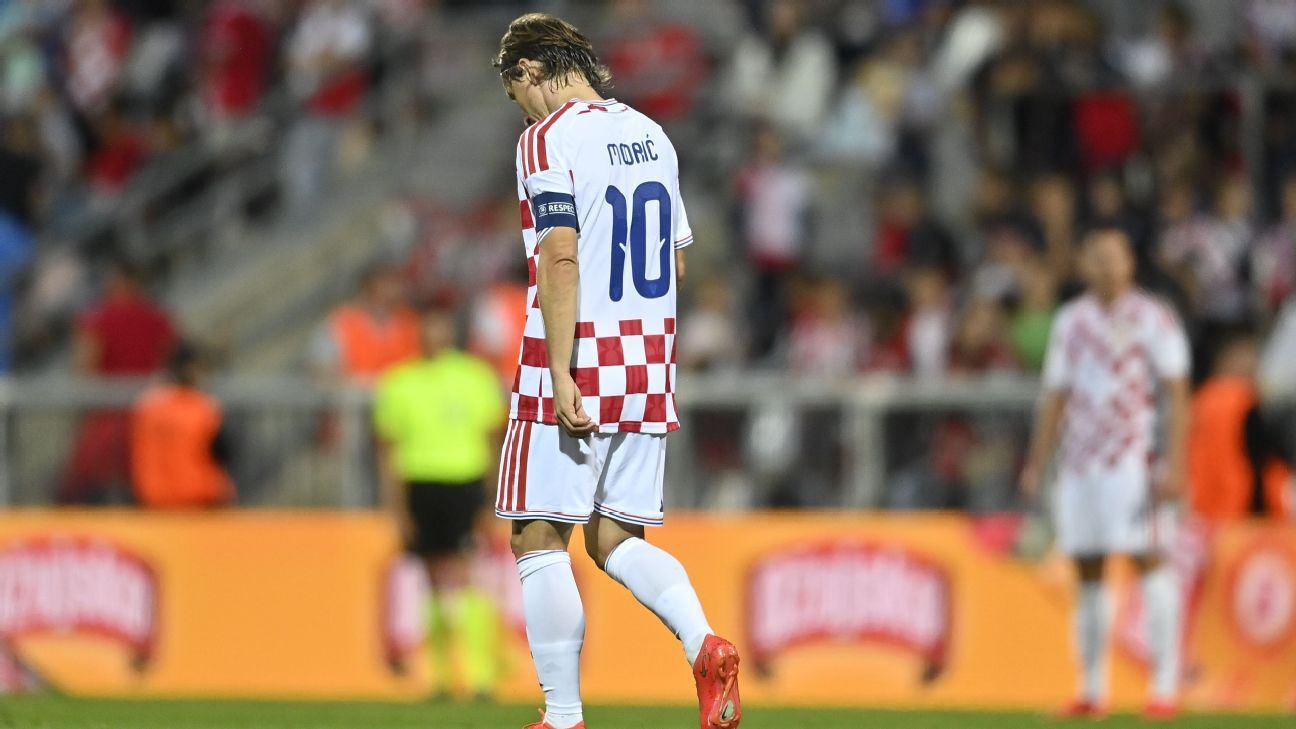
England Hand Croatia Record 7-0 Defeat in UEFA Nations League