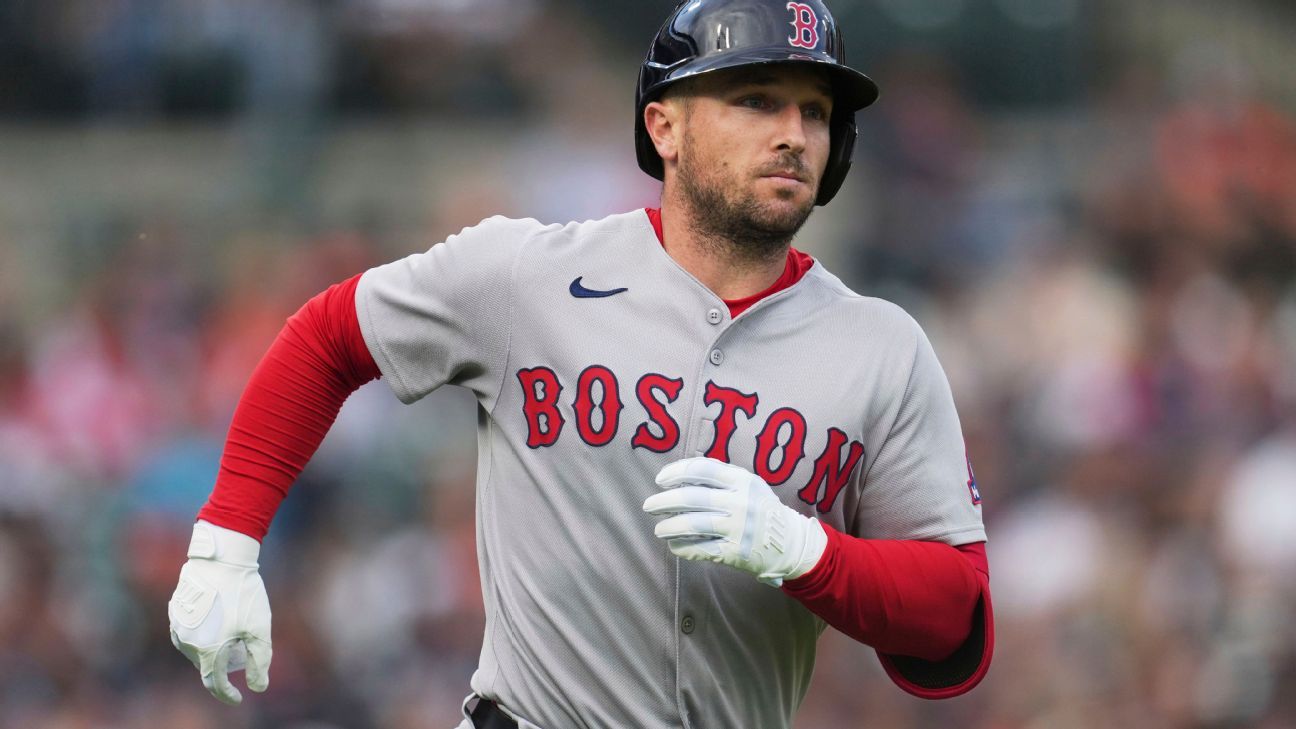
Despite being deep in the sweepstakes for the All-Star third baseman, Boston’s refusal to grant a no-trade clause paved the way for the Chicago Cubs to steal the show.
Title: Struck Out at the Finish Line: Why the Red Sox Missed Out on Alex Bregman Category: MLB Current Content: The Fenway faithful were bracing for a blockbuster, but instead, they’re left with the cold reality of a pursuit that fell inches short. The Boston Red Sox have officially lost the sweepstakes for two-time World Series champion Alex Bregman, who opted to take his talents to the Chicago Cubs. While the front office expressed genuine disappointment in the outcome, the post-mortem of the deal suggests that Boston’s own rigidity, rather than a lack of capital, might have been the deciding factor in the breakdown of negotiations for Alex Bregman.
Reports indicate that the deal hinged on a pivotal sticking point: the no-trade clause. In an era where star players prioritize long-term security and control over their destinations, the Red Sox reportedly balked at offering Bregman total veto power over future moves. This organizational philosophy, meant to preserve roster flexibility, proved to be a fatal hurdle. For a veteran like Bregman, who was seeking both a massive payday and a stable home, the Cubs’ willingness to meet his contractual demands—protection included—made the decision for him. The Red Sox Bregman pursuit was ultimately derailed by this fundamental disagreement, highlighting a potential disconnect between the team's strategy and the expectations of modern superstar free agents.
Losing Bregman is a bitter pill for a Red Sox team desperate for a middle-of-the-order spark and a defensive anchor at the hot corner. He represented more than just a statistical upgrade; he was the championship-caliber veteran presence intended to lead a young, developing clubhouse. His consistent offensive production, coupled with his Gold Glove-caliber defense at third base, would have instantly elevated the Red Sox's competitive standing. By failing to close the deal, Craig Breslow and the Boston leadership find themselves facing immense pressure to pivot quickly, as the pool of elite free-agent talent begins to evaporate. The failure to secure Alex Bregman leaves a gaping hole that will be difficult to fill from the remaining market.
Now, the spotlight shifts to the North Side of Chicago, where the Cubs have signaled they are ready to contend immediately. Their acquisition of Alex Bregman sends a clear message to the rest of the league, positioning them as a formidable force in the National League. Meanwhile, in Boston, the narrative remains focused on the 'what ifs.' It is a sobering reminder that in the high-stakes game of MLB free agency, being a runner-up counts for nothing. If the Red Sox want to return to the pinnacle of the American League, they may eventually have to decide if maintaining corporate flexibility is worth the price of losing out on the league’s most coveted game-changers. The Red Sox Bregman saga serves as a stark warning about the evolving dynamics of player power in professional sports.
The Shifting Landscape of Player Power and Front Office Philosophy
The Red Sox's reluctance to grant a full no-trade clause to Alex Bregman isn't an isolated incident; it reflects a broader philosophical stance that has characterized their recent dealings. While some might view it as prudent management, prioritizing long-term organizational control, it increasingly clashes with the demands of elite players in today's MLB. Star athletes, often represented by powerful agents, are acutely aware of their market value and the leverage they possess. They seek not only financial security but also control over their careers, including where they play and for how long. The no-trade clause has become a standard ask for top-tier free agents, a non-negotiable term for many.
The Red Sox's historical success was built on a blend of homegrown talent and strategic acquisitions, often with players who were more amenable to the team's terms. However, the current market dictates a different approach for securing marquee names. The failure to land Alex Bregman suggests that the Red Sox's front office might need to re-evaluate its rigid stance on contractual clauses, especially when pursuing players of Bregman's caliber. Are they willing to adapt to the new realities of player empowerment, or will they continue to watch premier talents like Red Sox Bregman slip through their grasp? This decision will undoubtedly shape their competitiveness for years to come.
The Ripple Effect: What This Means for the Red Sox's Offseason and Beyond
The loss of Alex Bregman sends shockwaves through the Red Sox's offseason plans. He was widely considered their primary target, the linchpin around which they hoped to construct a more formidable lineup. Now, with Bregman off the board, the team faces a significantly diminished market for impact players. The remaining free-agent third basemen or middle-of-the-order bats simply don't possess the same combination of proven championship experience, offensive firepower, and defensive reliability that Bregman offered. This forces the Red Sox to either pivot to less impactful free agents, potentially overpaying for them, or explore the trade market, which often requires giving up valuable prospects.
Furthermore, the optics of this failure are damaging. It reinforces a narrative that the Red Sox are struggling to attract top talent, a perception that can dissuade future free agents. Fans are growing increasingly frustrated with what they perceive as a lack of aggressive pursuit of high-end players, especially given the team's financial resources. The Red Sox Bregman saga has become a symbol of this frustration. The front office, led by Craig Breslow, now faces immense pressure to make a significant move, any significant move, to appease the fanbase and demonstrate a commitment to winning. The consequences of missing out on Bregman extend beyond just a single player; they touch upon the team's reputation, its ability to compete in the short term, and its long-term strategic direction. The path forward for the Red Sox is now considerably more challenging, and every subsequent move will be scrutinized through the lens of their failed pursuit of Alex Bregman.
Stay informed
Follow SportsNow.
Join the reader list for future briefings and important newsroom updates.
Reader conversation
Your take on the story
Stay with the story
Related coverage
Open desk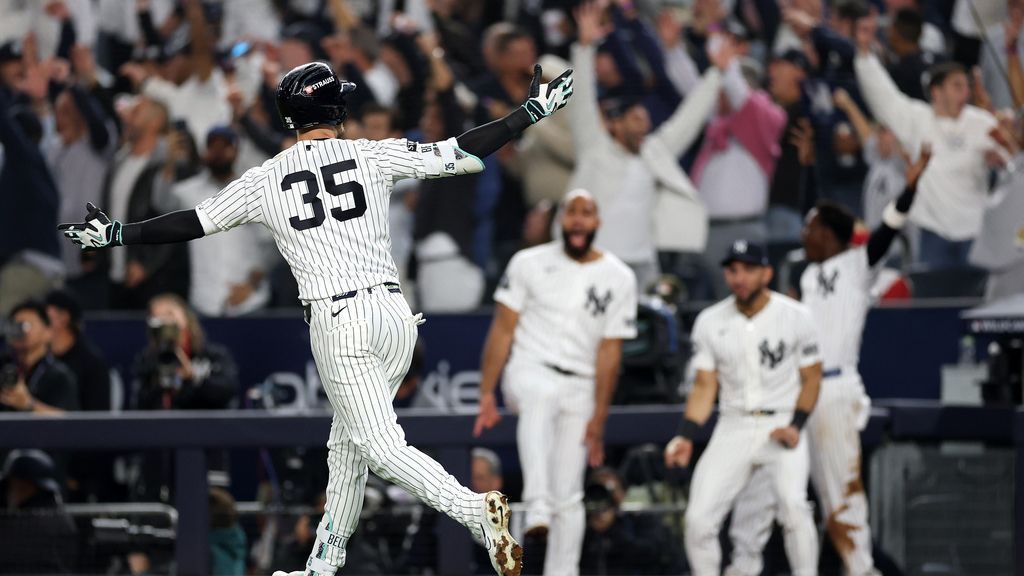
Yankees Advance to ALDS After 9-2 Victory Completes Sweep of Red Sox
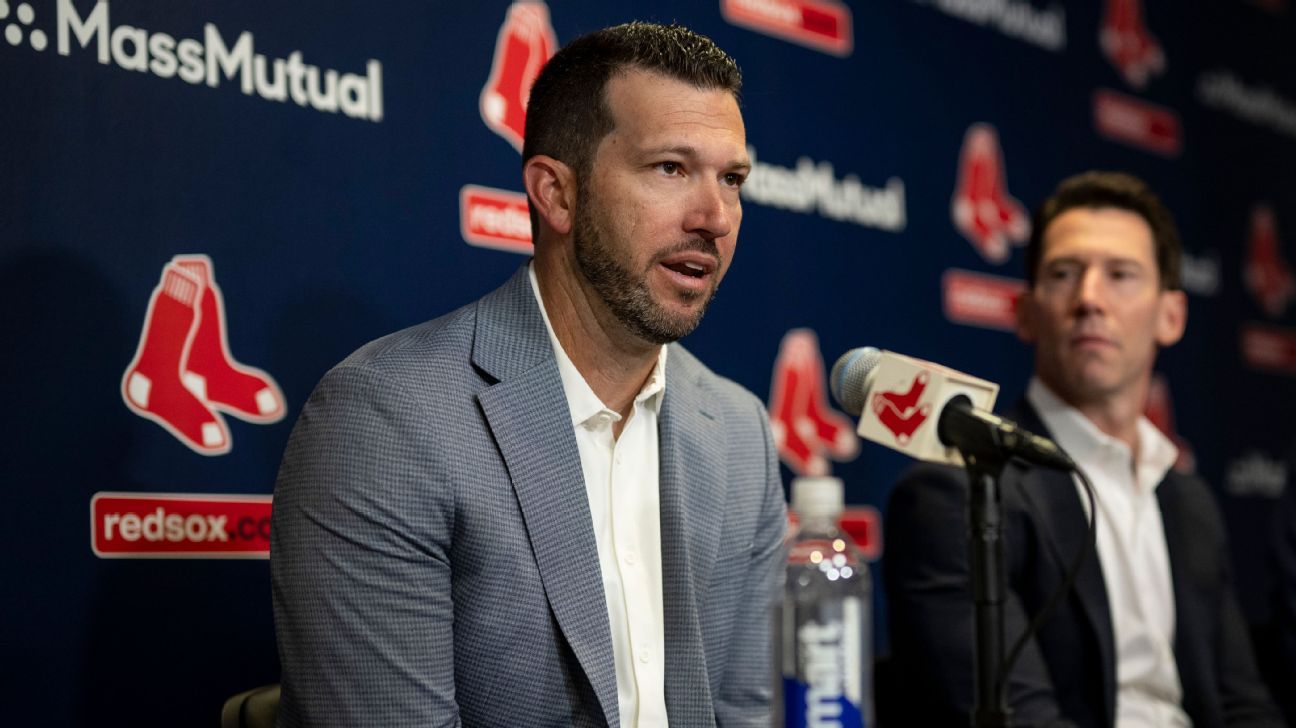
Red Sox Leadership Rejects Claims of Analytics-Driven In-Game Scripting