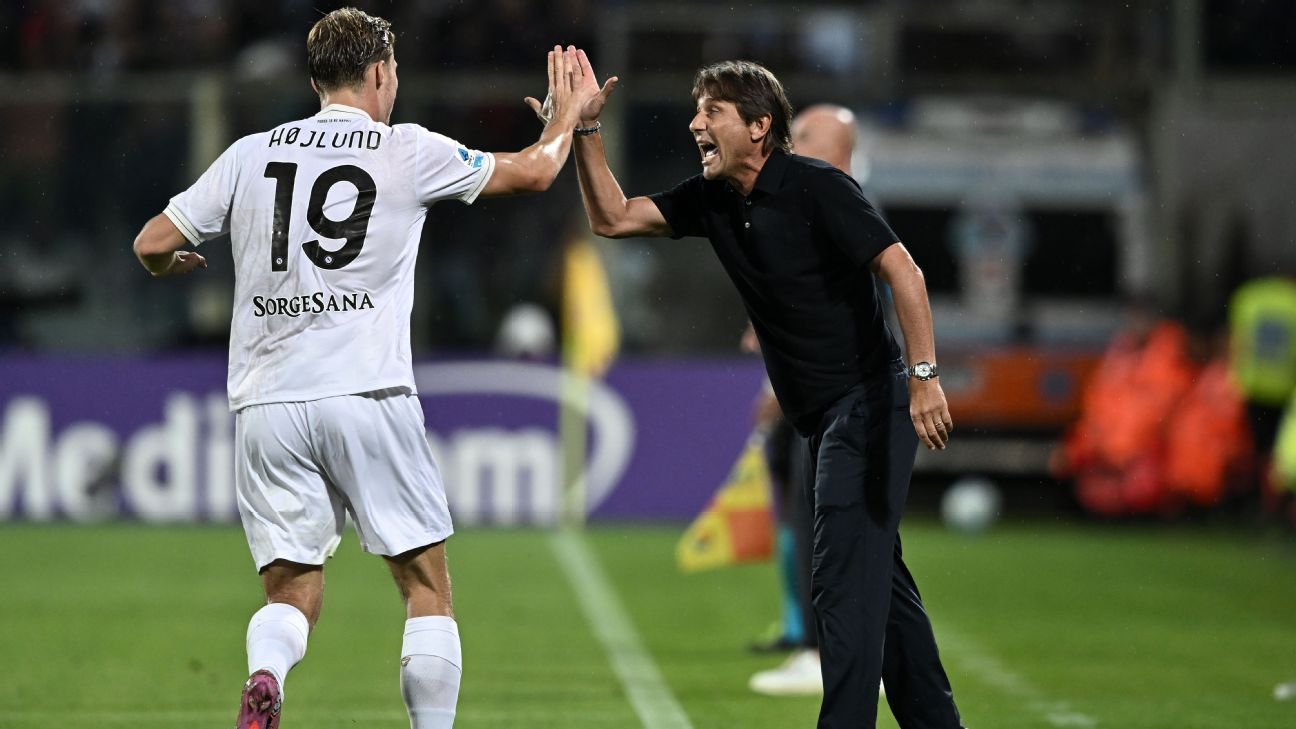
Antonio Conte has sparked a fresh tactical debate with a pointed critique regarding the utilization of Rasmus Højlund under former United boss Ruben Amorim’s system.
Title: Tactical Mind Games: Antonio Conte Breaks Silence on Manchester United’s Rasmus Højlund Dilemma Category: SOCCER
The world of elite football management rarely lacks for drama, but Antonio Conte has added a new layer of intrigue by subtly questioning the tactical deployment of Rasmus Højlund at Old Trafford. Currently leading a resurgence at Napoli, the veteran Italian tactician is never one to shy away from a pointed observation, and his latest remarks suggest that Manchester United’s struggles with their young Danish striker may have been a matter of instruction rather than instinct. This isn't just about a player's form; it's a deep dive into the very philosophy of how a club integrates a high-profile, high-potential asset, and Conte's insights offer a compelling perspective on the ongoing Højlund tactical dilemma.
Conte, who has a storied history of maximizing the output of robust center-forwards like Romelu Lukaku at Inter Milan and Diego Costa during his Chelsea tenure, appeared to take aim at the structural setup favored by Ruben Amorim during his brief but scrutinized tenure at Manchester United. The Napoli boss, known for his meticulous attention to detail and his emphasis on clear, defined roles for his strikers, emphasized that players of Højlund’s physical profile thrive on specific vertical patterns and service—elements Conte suggests were conspicuously absent under the tactical blueprint of the former United coaching staff. He elaborated on the importance of quick transitions, direct passes into the channels, and a midfield that understands how to feed a powerful target man, rather than forcing him into intricate link-up play that might not suit his primary attributes. This nuanced critique highlights a fundamental aspect of the Højlund tactical dilemma: fitting a square peg into a round hole.
While Conte didn't name Amorim directly, the subtext was clear for those familiar with the Italian’s meticulous approach to the No. 9 role. He noted that certain systems can 'stifle' the natural predatory instincts of a young striker, forcing them into positions that negate their strengths and prevent them from operating in their most effective zones. By highlighting the disconnect between the player’s potential and his recent output, Conte has effectively reignited the conversation on whether United’s recent management failed to capitalize on their most expensive attacking asset. His comments suggest that Højlund was perhaps asked to perform duties that diminished his natural goalscoring prowess, rather than amplifying it, contributing significantly to the perceived Højlund tactical dilemma.
This verbal jab comes at a time when 'tactical identity' is the ultimate buzzword in the Premier League. As United transitions into a new era, Conte’s critique serves as a reminder that a manager’s philosophy is only as good as the players it empowers. For Højlund, the hope remains that a fresh start will provide the platform Conte believes he was denied under the previous regime, allowing him to finally unleash his full potential and resolve the persistent Højlund tactical dilemma that has plagued his early United career.
The Conte Blueprint: A Masterclass in Striker Utilization
Antonio Conte's track record speaks volumes about his ability to get the best out of central strikers. His philosophy centers on creating a system where the striker is not just a finisher, but a focal point around whom the attacking structure revolves. At Chelsea, Diego Costa thrived under Conte, benefiting from direct service and the freedom to operate aggressively in the box. Similarly, Romelu Lukaku experienced a career renaissance at Inter Milan, becoming one of Europe's most feared forwards thanks to Conte's emphasis on quick transitions, precise crosses, and a relentless attacking intensity that played directly into Lukaku's strengths as a powerful, pacey striker.
Conte’s comments about Højlund resonate deeply with this established pattern. He sees in Højlund a raw, powerful talent, much like the strikers he has historically coached. The Dane’s athleticism, aerial ability, and willingness to run in behind defenders are all hallmarks of a Conte-esque forward. The Italian’s implied criticism of United’s previous setup suggests that Højlund was perhaps being asked to drop deep too often, engage in intricate build-up play, or operate in wider channels – roles that detract from his primary function as a pure goalscorer and disrupt the natural flow of his game. This misapplication of talent is precisely what Conte believes creates a Højlund tactical dilemma, turning a potential asset into a source of frustration. His success lies in simplifying the striker's role, providing clear instructions, and building the team's attacking patterns to consistently deliver the ball into dangerous areas where the striker can thrive.
Implications for Manchester United's Future
Conte’s observations carry significant weight, especially as Manchester United embarks on yet another period of transition. His critique isn't merely about past failures; it's a blueprint for future success, or at least a warning against repeating past mistakes. The next manager at Old Trafford will undoubtedly face immense pressure to unlock Højlund’s potential and finally solve the Højlund tactical dilemma. This means not just signing new players, but fundamentally re-evaluating the team's attacking philosophy and how it integrates its most expensive forward.
The challenge for United will be to establish a clear tactical identity that complements Højlund's strengths. This could involve a more direct style of play, a greater emphasis on wing-backs providing crosses, or a midfield tasked with quicker, more incisive passes into the final third. It also demands patience and a willingness to adapt the system to the player, rather than forcing the player to adapt to a rigid system that doesn't suit him. Conte’s remarks serve as a powerful reminder that elite football is as much about psychological understanding and tactical alignment as it is about individual talent. If United can heed this advice and build a structure that empowers Højlund, they might finally see the return on investment they envisioned when signing the young Dane, transforming the Højlund tactical dilemma into a tactical triumph. The upcoming season will be a crucial test of whether the club has truly learned from its past tactical missteps and can create an environment where a striker of Højlund's caliber can flourish.
Stay informed
Follow SportsNow.
Join the reader list for future briefings and important newsroom updates.
Reader conversation
Your take on the story
Stay with the story
Related coverage
Open desk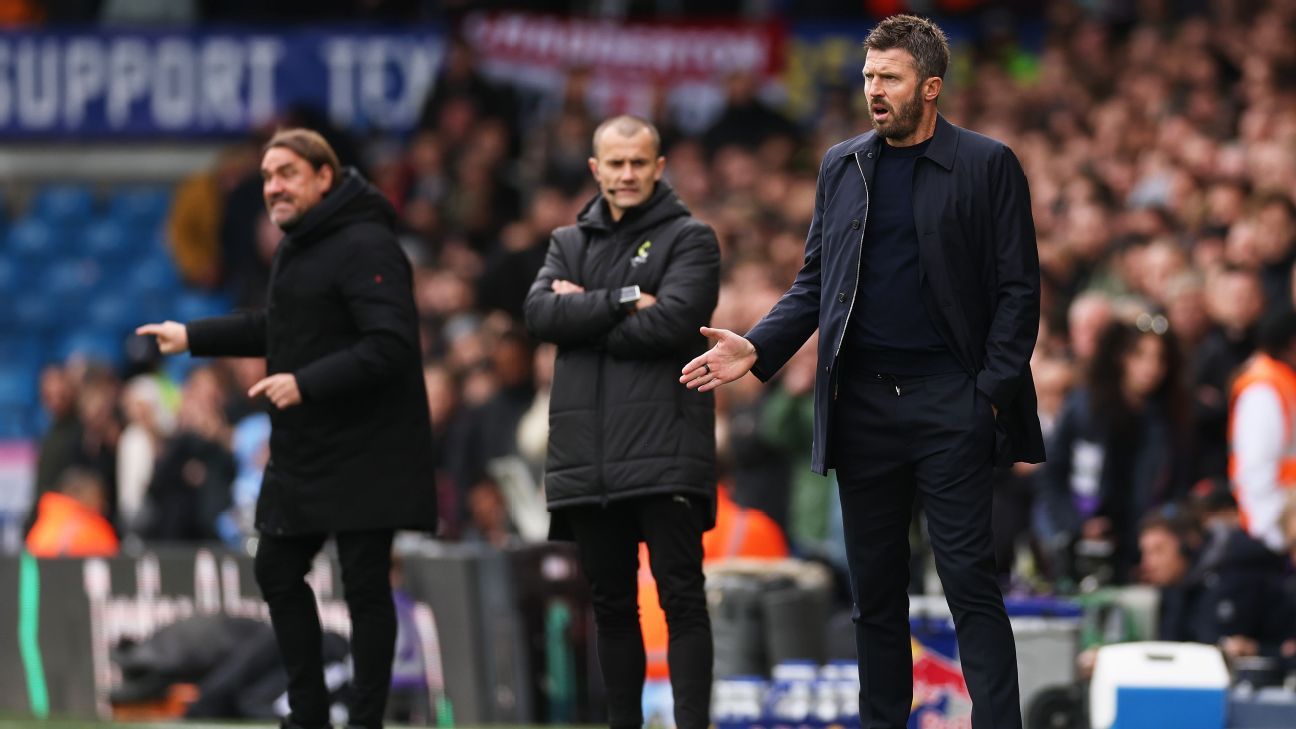
Pressure Mounts on Michael Carrick After Manchester United Draw 1-1 at Leeds
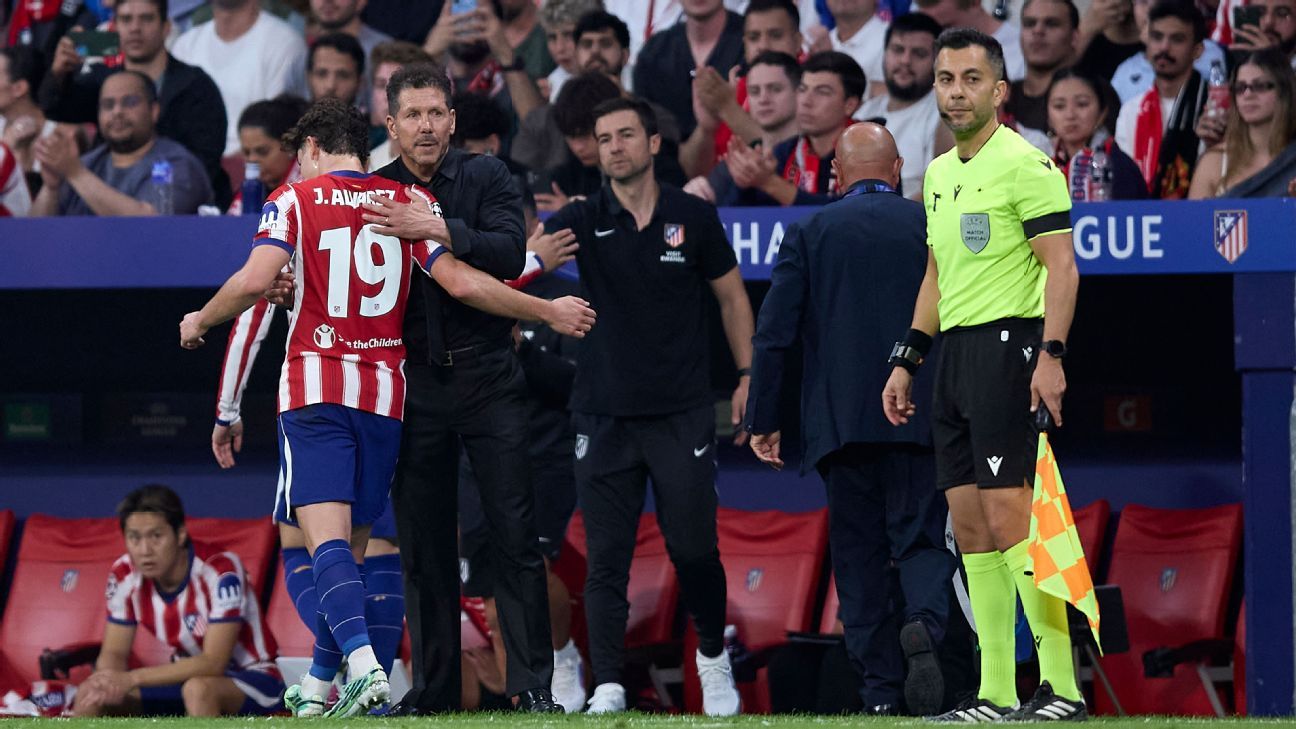
Atlético Madrid Secures 2-0 Champions League Victory Over Manchester United