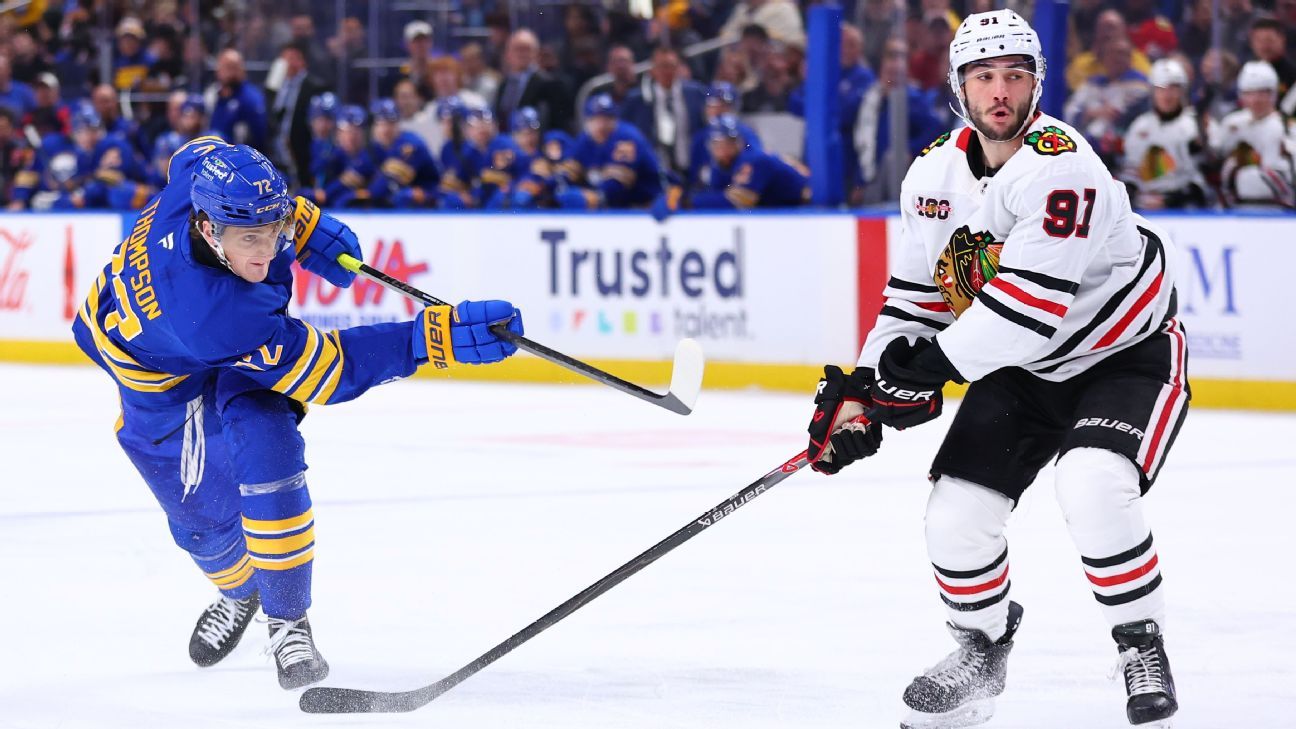
With the 2026 Winter Olympic rosters coming into focus, we break down the elite specialists whose specific tools will define the quest for gold in Milan-Cortina.
Frozen Supernova: Identifying the NHL Archetypes Destined for 2026 Olympic Glory
The long-awaited return of the NHL to the Olympic stage isn't just a tournament; it’s a laboratory where the world's most refined hockey skills are tested under maximum pressure. As the hockey world turns its gaze toward the 2026 Games in Milan-Cortina, the conversation has shifted from mere participation to tactical dominance. This isn't just about who is the best overall player, but rather who possesses the singular, game-breaking trait that can dismantle a defensive system in a single shift. Identifying these crucial NHL Olympic archetypes will be paramount for any nation hoping to stand atop the podium.
Speed has become the modern game’s primary currency, and the 2026 Games will be played on a stage where a single stride can create a canyon of space. While the names are legendary, the eyes remain fixed on the burners who can push back an opposing blueline the moment they touch the puck in the neutral zone. These are the players with elite acceleration and top-end speed, capable of turning a defensive zone clear into an offensive zone entry with alarming efficiency. Transitioning from the NHL’s smaller sheets to the potential nuances of international ice demands a skating stride that is both powerful and efficient, turning a routine breakout into a high-danger odd-man rush in a heartthrob. Think of players like Connor McDavid or Nathan MacKinnon, whose ability to dictate the pace of play through sheer velocity can single-handedly change the momentum of a game. Their presence among the NHL Olympic archetypes is non-negotiable.
But velocity isn't limited to skating. The ‘Hardest Shot’ category has evolved beyond raw power into a science of release and deception. In a short-format tournament where goaltending is historically impenetrable, the difference-makers will be the blueline bombers and power-play specialists who can thread a 100-mph needle through a heavy screen. These are the players who force coaches to rewrite their penalty kill schemes, knowing that one clean look from the top of the circle is essentially a goal against. The ability to unleash a quick, heavy shot from anywhere in the offensive zone, particularly on the power play, will be a critical asset. Consider the likes of Victor Hedman or Cale Makar, whose offensive instincts and booming shots make them constant threats. Their inclusion among the key NHL Olympic archetypes will provide crucial offensive punch.
Beyond the physical metrics, the 2026 Games will celebrate the maestros of vision—those high-IQ playmakers who see the third and fourth options before the first one even develops. In a best-on-best environment, the windows of opportunity close in milliseconds. The gold medal will likely be decided by the player who possesses the surgical passing ability to exploit a defensive lapse that hasn't even happened yet. These are the elite distributors who can make the impossible pass seem routine, unlocking stifling defensive structures with a flick of the wrist. As the rosters solidify, these specialists are no longer just stars; they are the strategic pillars upon which national legacies will be built. Players like Leon Draisaitl or Nikita Kucherov, with their uncanny ability to find open teammates through traffic, exemplify this invaluable NHL Olympic archetype.
The Unsung Heroes: Defensive Specialists and Goaltending Gurus
While offensive firepower and dazzling skill often grab the headlines, the 2026 Olympics will equally demand a contingent of unsung heroes – the defensive specialists and goaltending gurus. In a tournament where every goal is magnified, preventing them becomes just as crucial as scoring them. The archetypal shutdown defenseman, capable of neutralizing the opposition's top offensive threats, will be invaluable. These are players who excel at gap control, stick-checking, and winning puck battles along the boards. Their ability to consistently break up plays, block shots, and provide reliable defensive zone coverage will be the bedrock upon which championship teams are built. Think of players like Adam Pelech or Jaccob Slavin, who might not light up the scoresheet but are indispensable for their defensive prowess.
Equally important are the goaltenders. In a best-on-best format, the margin for error is razor-thin, and a hot goaltender can single-handedly steal games. The ideal NHL Olympic archetype in net is not just technically sound but also possesses an unwavering mental fortitude. They need to be capable of making the highlight-reel save when necessary, but more importantly, consistently stopping the shots they're expected to. Their ability to manage rebounds, communicate with their defense, and remain composed under immense pressure will be the ultimate difference-maker. The pressure of the Olympic stage is unlike any other, and the goaltender who can thrive in that environment will be a national hero. Names like Andrei Vasilevskiy or Igor Shesterkin immediately come to mind as exemplars of this critical NHL Olympic archetype.
The Intangibles: Leadership and Versatility
Beyond specific skill sets, two crucial intangible NHL Olympic archetypes will define success in Milan-Cortina: leadership and versatility. A short tournament format leaves little room for slumps or internal discord. Strong leadership, both on and off the ice, will be essential for navigating the emotional highs and lows. This includes veteran presence, players who can calm the storm, motivate their teammates, and lead by example in critical moments. These are the captains and alternate captains who have a proven track record of elevating their play and inspiring those around them when the stakes are highest. Their influence in the locker room and on the bench can be just as impactful as their on-ice performance.
Furthermore, versatility will be a golden ticket. Coaches will need players who can seamlessly transition between different line combinations, play multiple forward or defensive positions, and contribute effectively in all three zones. The ability to kill penalties, play on the power play, and adapt to varying game situations will provide invaluable flexibility. A player who can fill multiple roles not only offers strategic options but also provides a safety net against injuries or underperformance. This 'Swiss Army Knife' NHL Olympic archetype allows coaches to adjust tactics on the fly, counter opponent strategies, and maximize their roster's potential. Players like Patrice Bergeron (if still active and performing at an elite level) or Mark Stone embody this invaluable blend of leadership and adaptability, making them indispensable components for any nation vying for Olympic gold. The combination of these specialized skills and critical intangibles will ultimately determine which nation can claim the coveted Olympic crown in 2026.
Stay informed
Follow SportsNow.
Join the reader list for future briefings and important newsroom updates.
Reader conversation
Your take on the story
Stay with the story
Related coverage
Open desk
Connor McDavid Retains Top Spot in 2026-27 NHL Player Rankings
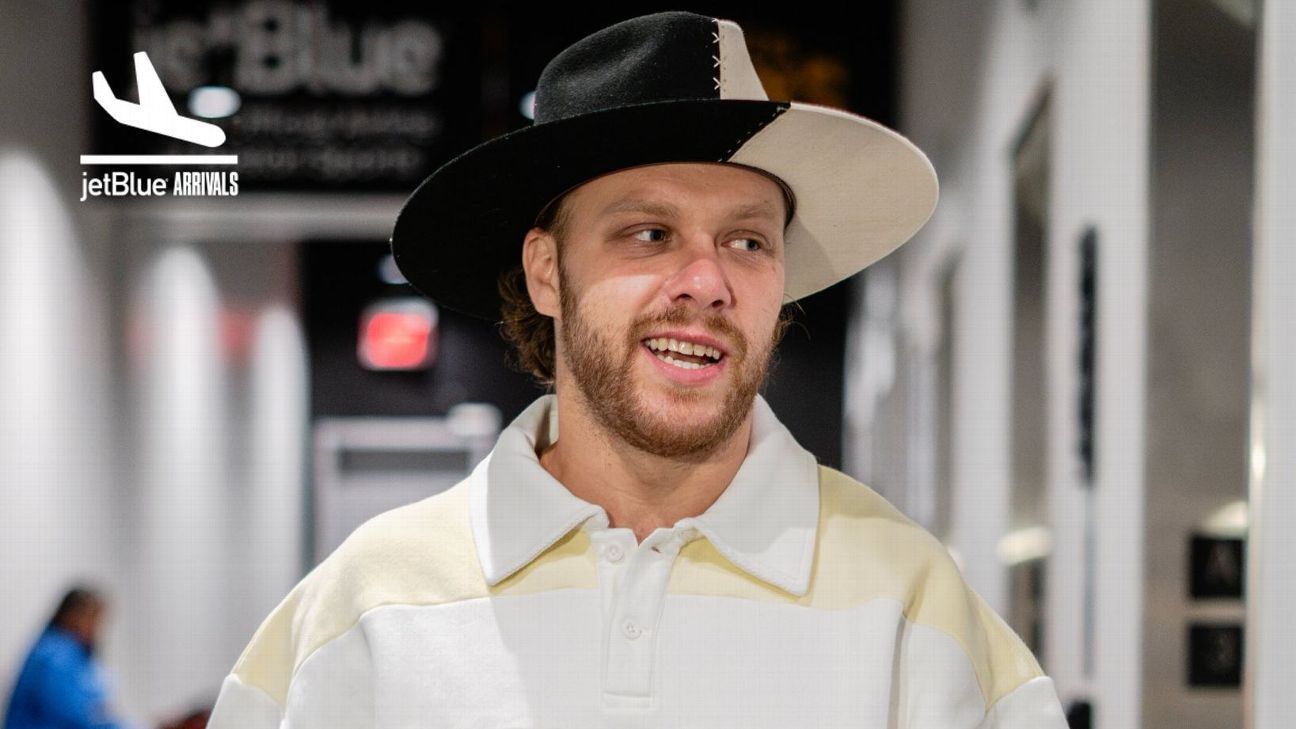
NHL Players Showcase Opening Night Arrivals for 2026-27 Season