Manchester City secured a 4-0 victory against Liverpool in the FA Cup quarterfinals, featuring a successful Man City penalty appeal and two other spot-kick reviews.
Manchester City defeated Liverpool 4-0 at the Etihad Stadium to secure a place in the FA Cup semifinals. The quarterfinal matchup featured three significant penalty incidents reviewed by referee Michael Oliver and VAR official Paul Howard. While the scoreline reflected a dominant performance by the home side, the officiating process drew attention starting as early as the 17th minute of play. Pep Guardiola witnessed the victory from the stands rather than the touchline, as the City manager was serving a touchline ban during this high-stakes knockout fixture.
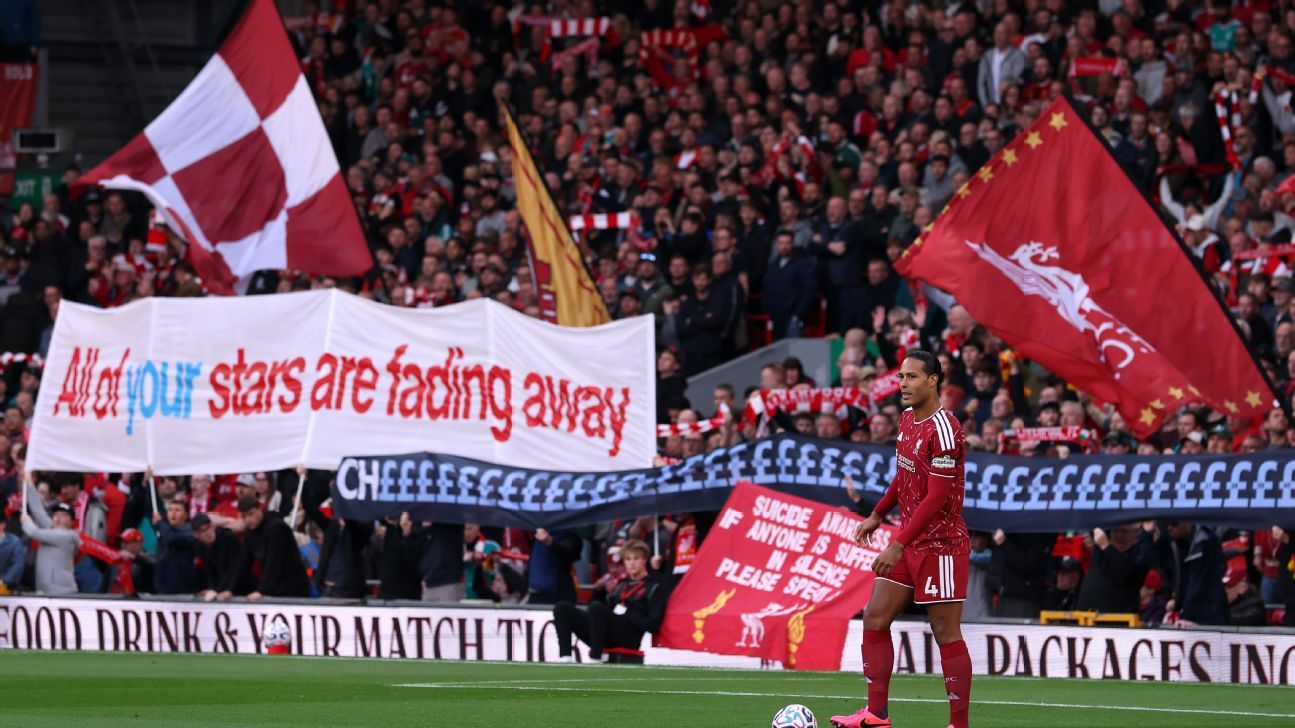
In the 38th minute, a Man City penalty was officially awarded after Virgil van Dijk fouled Nico O'Reilly inside the area. Michael Oliver pointed to the spot without hesitation, a decision that Paul Howard quickly validated through a VAR check. Van Dijk, the Liverpool captain, appeared visibly upset with the ruling, though replays confirmed he was late with his tackle and failed to make any contact with the ball. This sequence occurred during a pivotal window of the match, as another penalty was awarded at the exact same minute mark on the other end of the pitch.
Defensive Challenges and VAR Protocol
The 38th-minute flurry of activity included a penalty for Liverpool following a late challenge by Matheus Nunes. The City defender caught forward Hugo Ekitike in the box while the attacker was moving toward the goal line. Despite the low level of immediate danger posed by Ekitike's position, Nunes committed what was described as an unnecessary foul. Michael Oliver held an excellent vantage point and awarded the kick immediately. VAR Paul Howard utilized three alternative camera angles to complete a full check, confirming the on-field decision was correct. The review was considered straightforward due to the obvious nature of the contact.
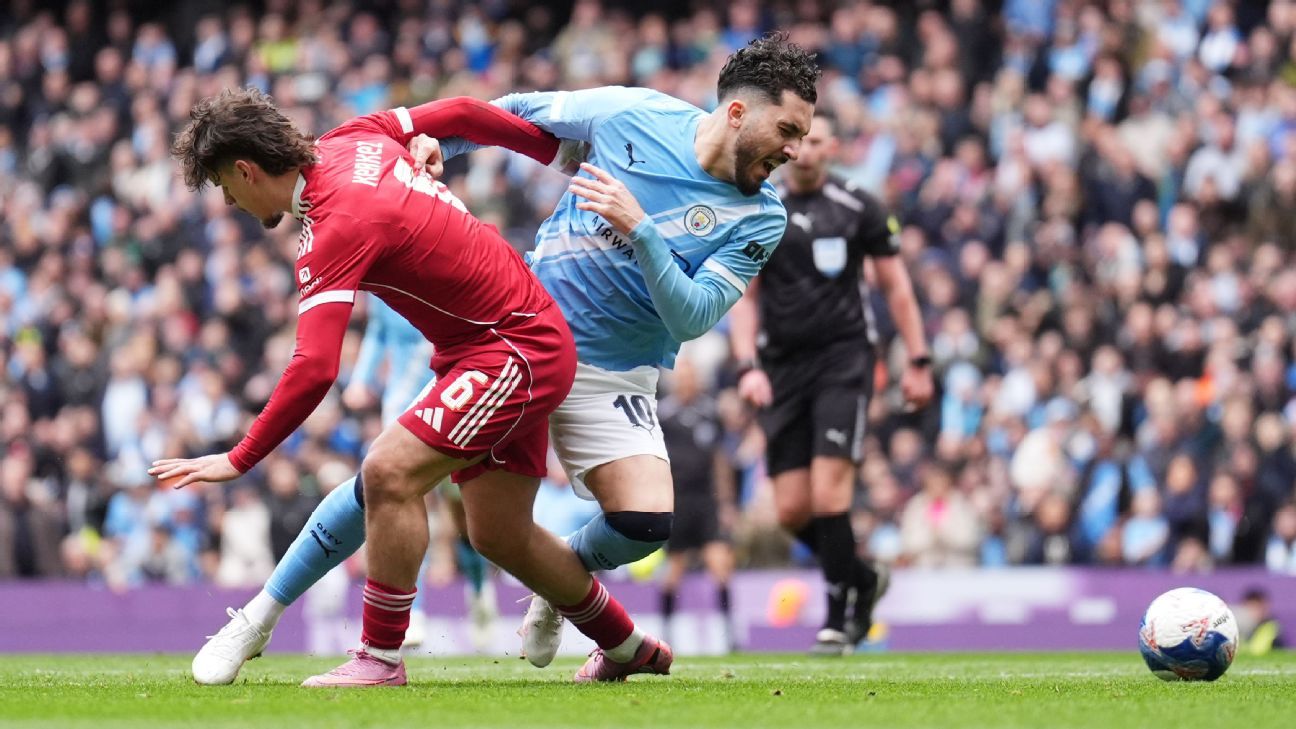
Earlier in the contest, a 17th-minute incident involving Rayan Cherki sparked the first major debate of the afternoon. Cherki attempted to navigate around Liverpool defender Milos Kerkez and subsequently fell to the turf. While City players vocally demanded a penalty, Michael Oliver ruled no foul had occurred. Replays indicated that Kerkez made initial contact with the ball. The secondary contact that brought Cherki down was attributed to the natural movement of both athletes. Evidence suggested Cherki may have dragged his left leg to initiate contact, leading the VAR to uphold the original non-call.
Officiating Analysis and Match Context
Former Select Group referee Andy Davies, who served 12 seasons on the elite list, noted that the starting point for these reviews is always the rationale provided by the on-field official. For the Cherki incident, Oliver’s communication described the interaction as inevitable contact rather than a foul action. Because there was no clear evidence of a mistake, the VAR protocol dictated that the referee should not be sent to the pitchside monitor. This process aligned with the Laws of the Game, ensuring that only clear and obvious errors result in overturned decisions on the field.
This 4-0 result comes at a time of heightened scrutiny for the Video Assistant Referee system in England. Recent survey data indicates that three out of four match-going fans oppose the use of VAR. However, the performance of the officiating team at the Etihad Stadium was deemed successful, with all major incidents being cleared or confirmed accurately. The 'ESPN FC' crew analyzed the implications of this victory, questioning what Manchester City can achieve throughout the remainder of the season following such a comprehensive win over their rivals.
Tactical Discipline and Final Outcomes
The match highlighted a lack of discipline in the Liverpool backline, particularly during the sequence involving Virgil van Dijk and Nico O'Reilly. By missing the ball entirely, the Liverpool captain left the officiating team with little choice but to award the spot-kick. Conversely, the penalty conceded by Matheus Nunes was labeled a strange decision given the tactical situation, yet it did not prevent City from maintaining their clean sheet and four-goal advantage. The precision of the VAR checks contributed to a game that, despite the controversy surrounding the technology, saw the correct application of the rules in all three penalty areas.
Manchester City's progression to the next round of the FA Cup was defined by their ability to capitalize on these moments while Liverpool struggled to maintain defensive composure. The 4-0 scoreline stands as a definitive result in the quarterfinal stage, moving the Manchester side one step closer to potential silverware. The officiating crew, led by Michael Oliver and supported by Paul Howard, concluded the match having navigated multiple high-pressure reviews without altering the fundamental trajectory of the lopsided contest.
Stay informed
Follow SportsNow.
Join the reader list for future briefings and important newsroom updates.
Reader conversation
Your take on the story
Stay with the story
Related coverage
Open desk
Manchester City Thrash Liverpool 3-0 to Maintain Perfect Start

Paris Saint-Germain Outclass Manchester City 4-2 at Etihad Stadium