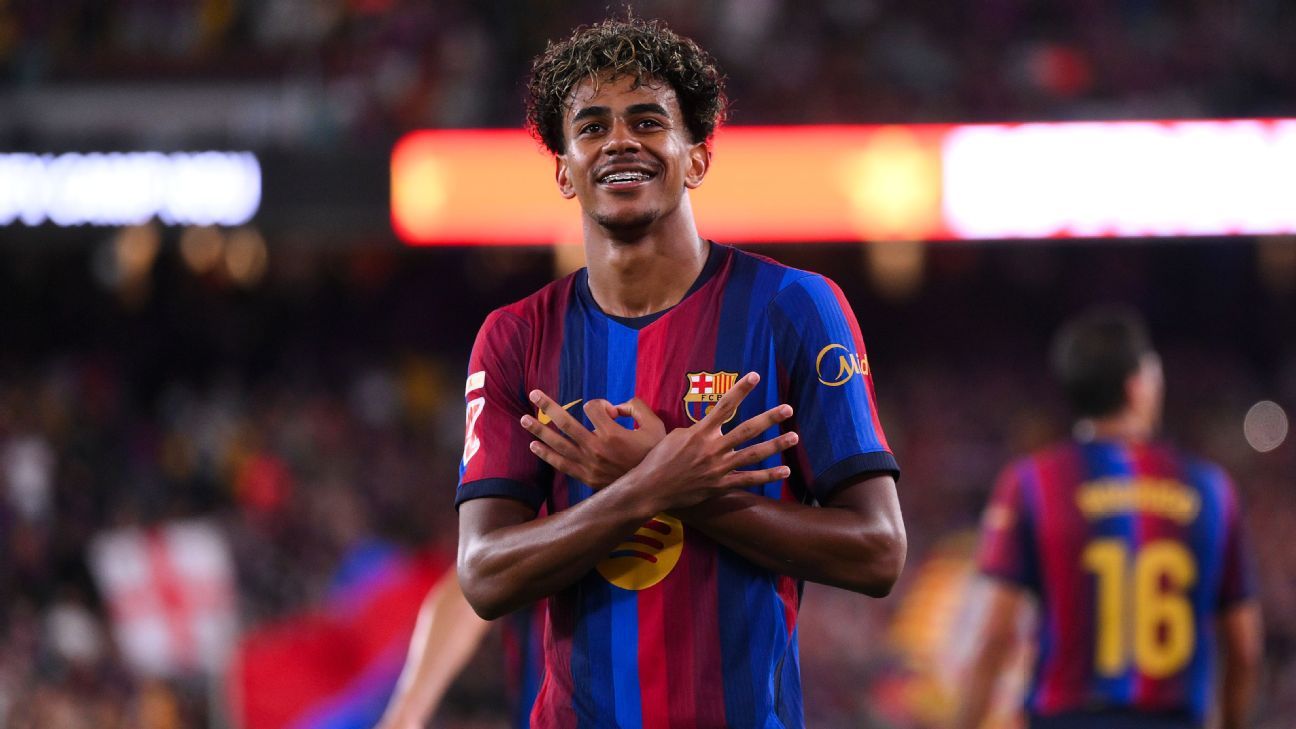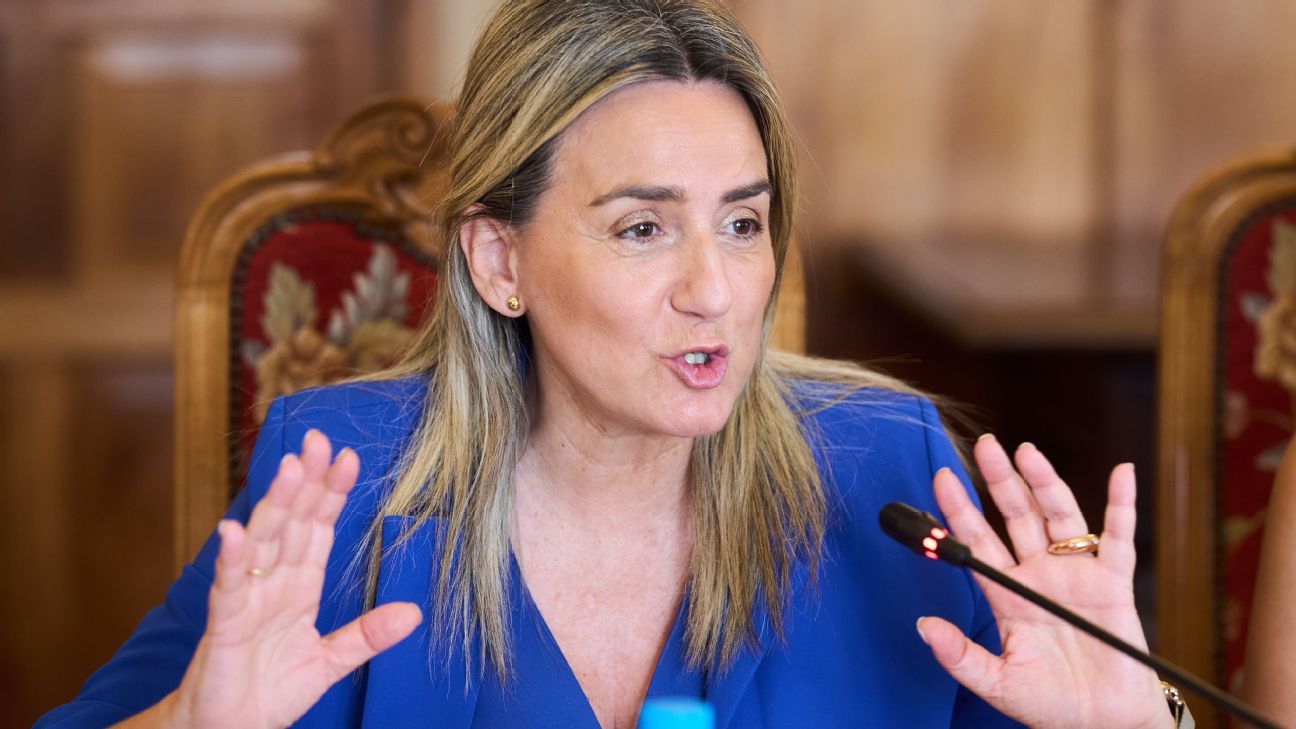
Government official Milagros Tolón cites Spain's status as dual-gender world champions as the primary reason the 2030 World Cup final belongs on Spanish soil.
Spain currently stands as the only nation on earth to hold both the men’s and women’s senior FIFA World Cup trophies simultaneously. The men’s squad secured their second star in July 2026 by defeating Argentina in the final held in New Jersey, while the women’s team triumphed over England in Sydney during the 2023 tournament. Leveraging these specific athletic milestones, Spanish sports minister Milagros Tolón declared on Cadena Ser radio that the country possesses the undisputed sporting merit required to host the 2030 World Cup final. This public assertion comes as the competition for the tournament's concluding fixture intensifies between the three primary co-hosts: Spain, Portugal, and Morocco.
Key details
FIFA has officially refuted recent media speculation suggesting that President Gianni Infantino promised the final to Morocco in exchange for political backing. The governing body issued a clarification on Wednesday, August 5, 2026, stating that no such agreement exists and the selection process remains transparent. Tolón confirmed that the Spanish government is maintaining a direct line of communication with FIFA officials to ensure the nation's bid remains at the forefront of deliberations. A pivotal formal meeting between the host nations and the global football authority is currently scheduled for September 2026 to discuss logistics and venue allocations.
Infrastructure serves as a cornerstone of the Spanish proposal, with the minister highlighting the country’s advanced high-speed rail network and established security frameworks. Unlike Morocco, which is currently planning the construction of the 115,000-seat King Hassan II Stadium near Casablanca, Spain offers existing world-class venues in Madrid and Barcelona that have previously managed elite international fixtures. The Santiago Bernabéu and Camp Nou are central to the Spanish bid, providing a historical pedigree that dates back to the 1982 World Cup. Tolón noted that Spain and Portugal were the founding members of the original joint bid before the North African nation was integrated into the coalition.
Latest developments
The 2030 edition will feature a complex transcontinental structure, beginning with three inaugural matches in South America to celebrate the centenary of the first tournament. Montevideo, Buenos Aires, and Asunción will host these opening games before the remaining 45 teams travel to the Mediterranean region. Tolón argues that the logistical challenge of moving the tournament across continents necessitates a host with proven experience in large-scale event management. Spain’s recent success in hosting the 2024 European Championship qualifiers and various Champions League finals provides a statistical track record that the ministry believes surpasses its competitors.
Financial considerations also play a significant role in the ongoing negotiations, as the Spanish government has already allocated specific budget lines for stadium renovations and urban transport upgrades. The sports minister emphasized that the 2030 project is a matter of national pride, reinforced by the fact that the men's team also holds the current European Championship title. This triple-crown status—Men’s World Cup, Women’s World Cup, and Euros—is a feat never before achieved by a single federation in the same cycle. Such dominance on the pitch, according to Tolón, should naturally translate to hosting the most prestigious match in global football.
As the September deadline approaches, the Spanish delegation intends to present a detailed dossier to FIFA outlining the projected economic impact and broadcast advantages of a final held in the Central European Time zone. The minister’s remarks on August 6 served as a firm rebuttal to any notion that the final venue has already been decided. With the 2026 tournament in North America now concluded, the focus of the football world shifts entirely to the 2030 roadmap. Spain remains steadfast in its conviction that the final whistle of the centenary World Cup should blow in a Spanish stadium, marking the culmination of a decade of unprecedented success for the Royal Spanish Football Federation.
Stay informed
Follow SportsNow.
Join the reader list for future briefings and important newsroom updates.
Reader conversation
Your take on the story
Stay with the story
Related coverage
Open desk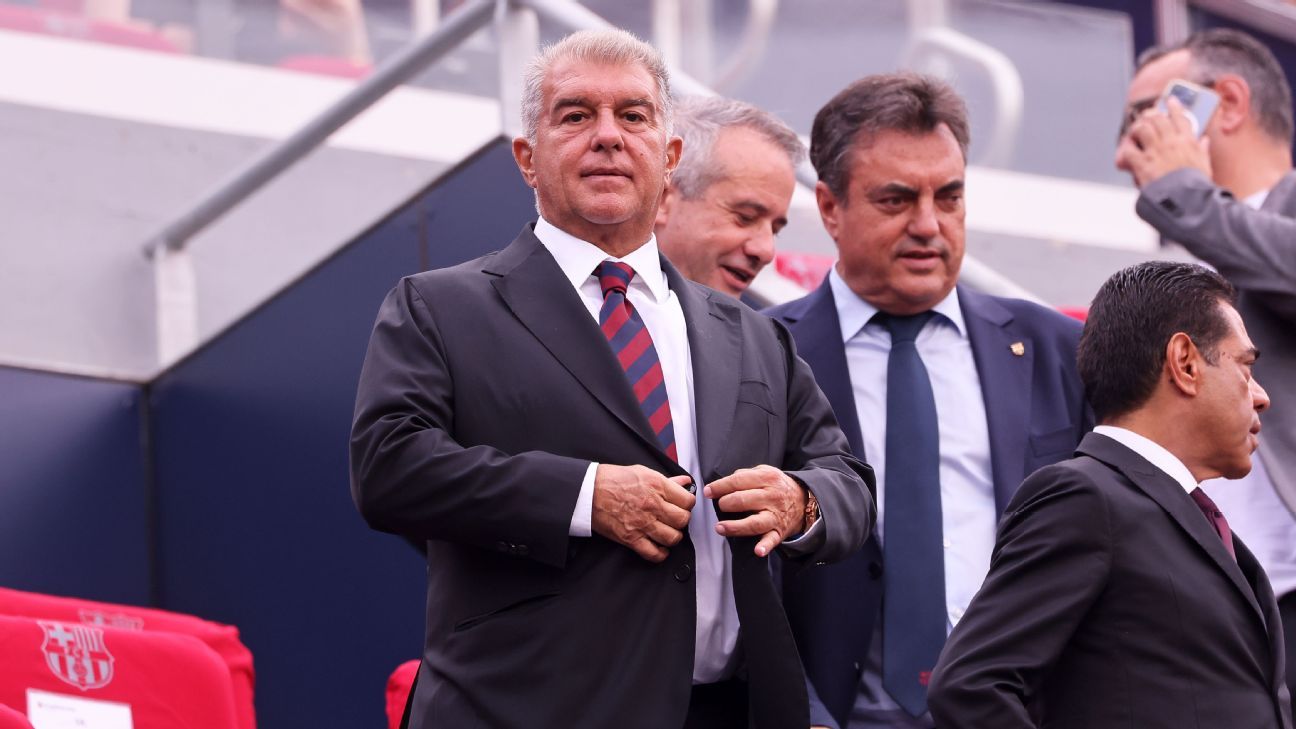
Joan Laporta Proposes Spotify Camp Nou as 2030 World Cup Final Venue
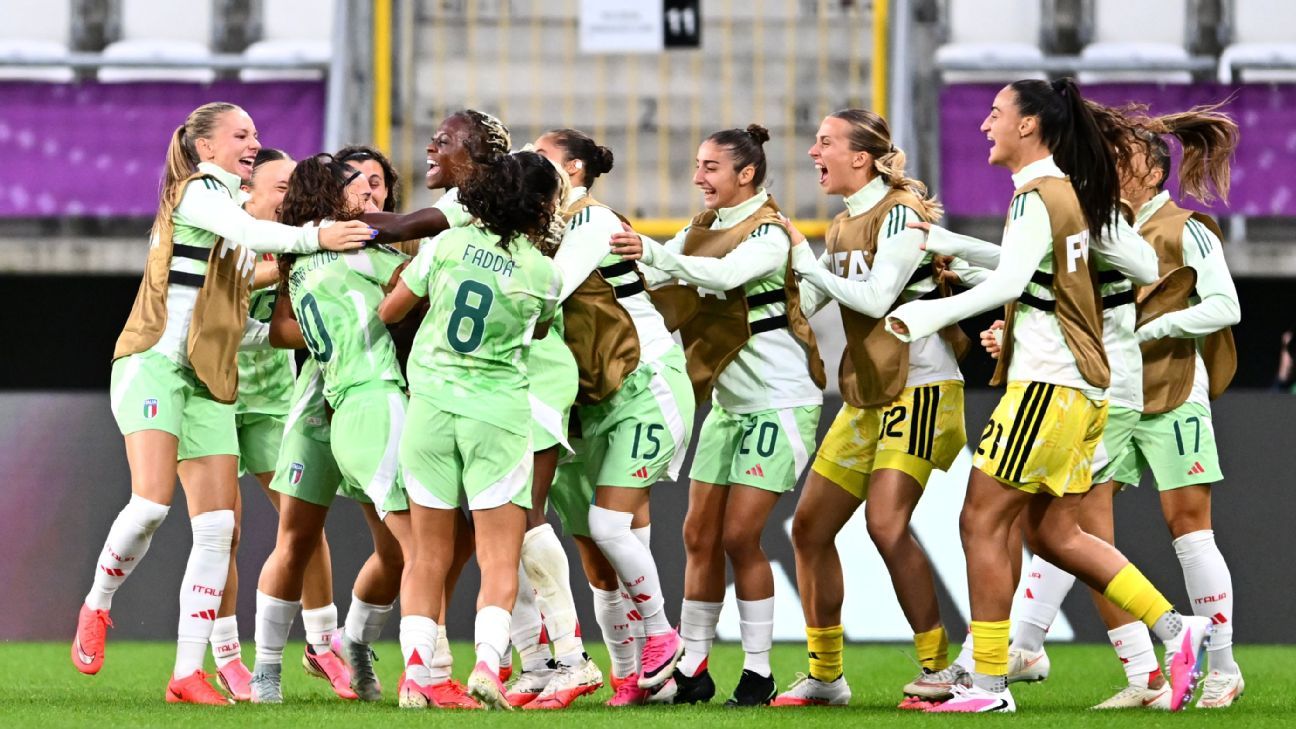
Italy Defeats U.S. 2-1 in U20 Women's World Cup Opener in Lódź