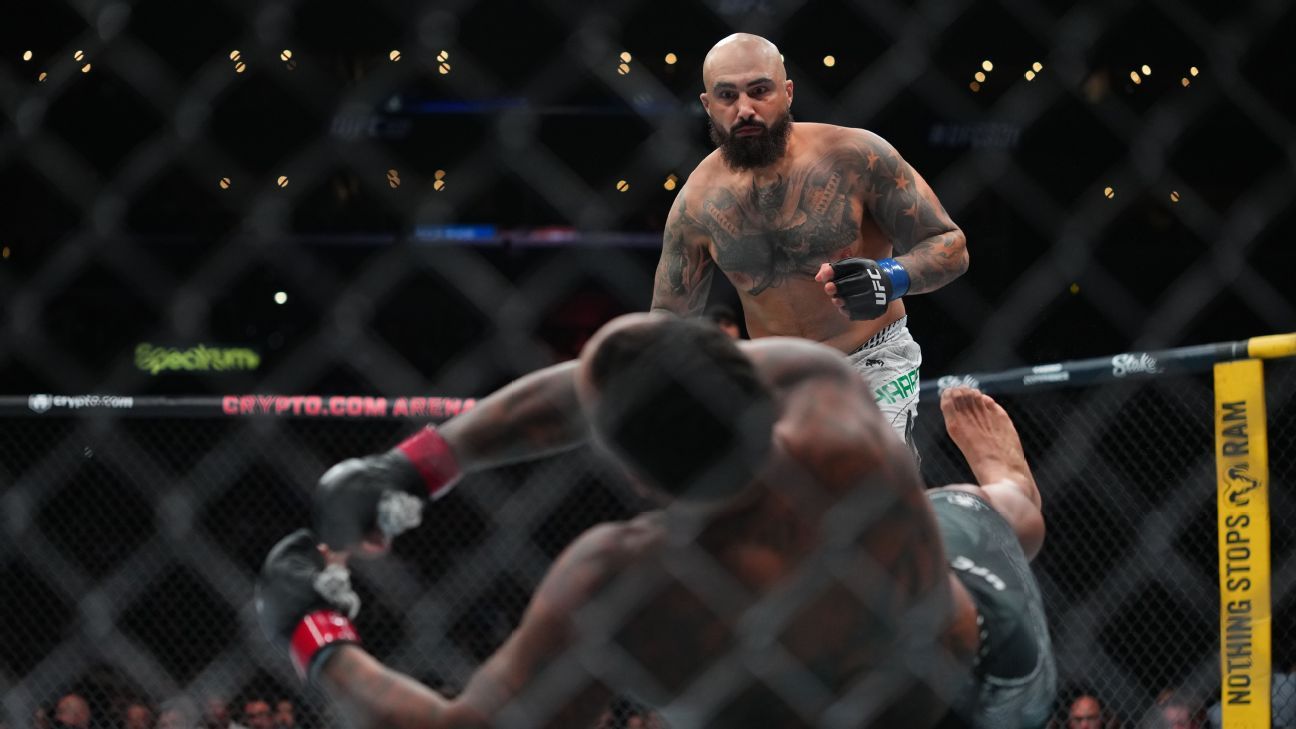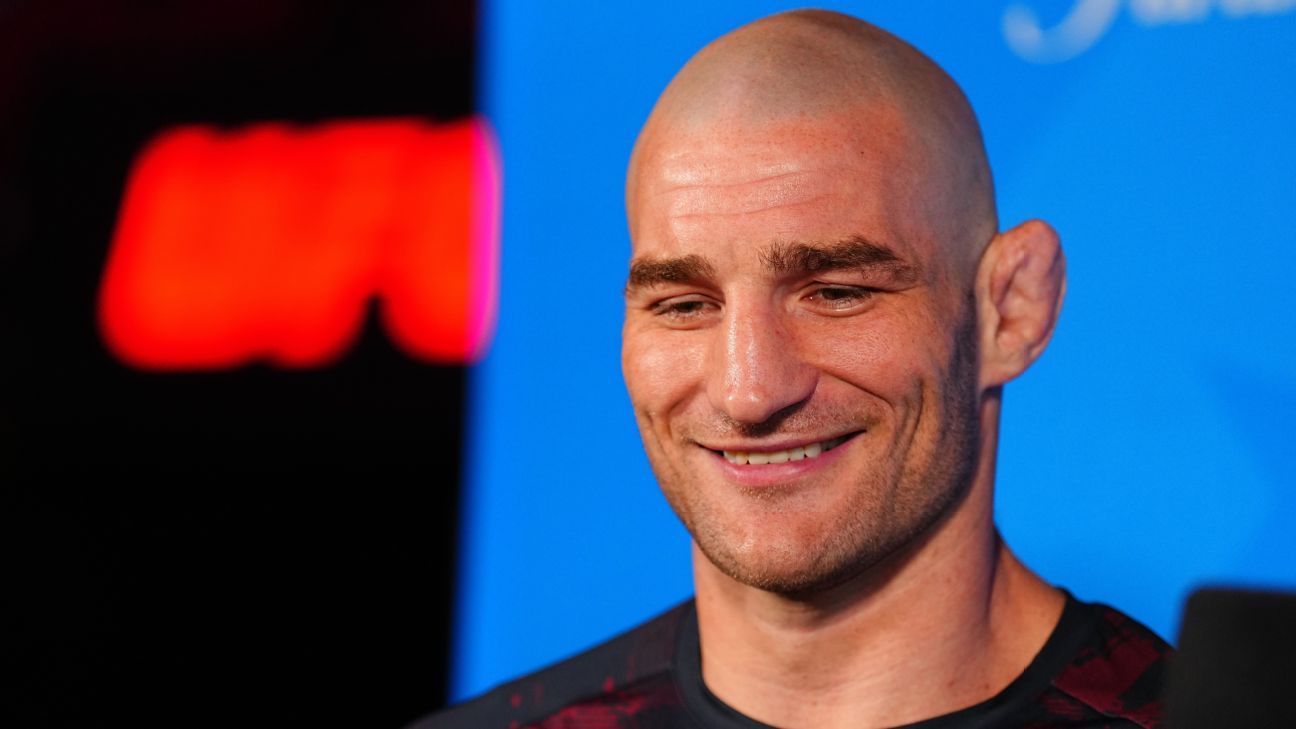
Former middleweight champion Sean Strickland criticizes the UFC's financial model, comparing its revenue split to the NFL and highlighting the lack of collective bargaining.
Sean Strickland enters his 24th career Octagon appearance this Saturday in Houston by labeling the current UFC fighter pay structure as "predatory." Preparing for a main-event showdown against Anthony Hernandez at UFC Fight Night, the former middleweight champion utilized a pre-fight interview with Complex to challenge the organization's financial model. He specifically dismissed the impact of the promotion's recent decision to double fight night bonuses from $50,000 to $100,000, arguing that these incremental increases do not address the fundamental disparities in athlete compensation compared to other major professional sports leagues.
The veteran fighter highlighted a stark contrast between MMA and traditional leagues like the NFL, suggesting that UFC fighter pay should mirror the profit-sharing models found in team sports. Strickland proposed that if a league like the NFL allocates approximately 70 percent of its profits to players, the UFC should be held to a similar standard. This critique follows a 2025 settlement of an antitrust lawsuit which alleged that the UFC historically limited athlete compensation to a range of 13-to-20 percent of total revenue. Unlike the major American sports leagues referenced, UFC athletes do not have a collective bargaining agreement and must negotiate their individual contracts independently without union representation.
Strickland characterized the UFC as the most financially imbalanced entity in the sporting world when weighing athlete earnings against total company revenue. He asserted that there is no valid argument to support the current pay scale, describing the environment as inherently unfair. The UFC has maintained a public stance defending its compensation records, frequently noting that fighters have the option to compete in alternative MMA leagues if they are dissatisfied with their terms. However, Strickland contends that this dynamic allows the promotion to bypass those who object to low wages by simply hiring others willing to accept less money for the same work.
Beyond the immediate financial figures, Strickland warned of a long-term decline in domestic talent within the sport. He predicted that the American roster will eventually diminish because the promotion is effectively outsourcing spots to international fighters who may accept lower pay. According to Strickland, the lack of fair compensation will cause the domestic talent pool to dry up over time. As he prepares for his Saturday night headliner in Houston, the controversial middleweight remains vocal that the current trajectory of UFC fighter pay is unsustainable for the athletes providing the entertainment.
The 2025 antitrust settlement serves as a backdrop to these comments, providing a legal framework for the 13-to-20 percent revenue split figures cited by critics. This legal resolution followed years of litigation regarding the promotion's market dominance and its impact on the earning potential of its roster. Strickland’s 24th walk to the cage represents a significant milestone in his career, yet his focus remains on the systemic issues he believes plague the sport's financial landscape. He argues that the absence of a unionized workforce prevents fighters from achieving the same leverage seen in the NBA or MLB.
In the Houston main event, Strickland faces Anthony Hernandez, a fighter known for his high-volume grappling and relentless pace. While the sporting world focuses on the tactical matchup, Strickland’s rhetoric shifts the conversation toward the economic realities of professional mixed martial arts. He maintains that the current system relies on the desperation of athletes who are willing to risk their physical health for a fraction of the revenue they generate. This perspective is shared by several other high-profile fighters who have recently voiced similar concerns regarding the lack of transparency in pay-per-view revenue sharing.
The UFC's decision to increase performance bonuses to $100,000 was initially seen as a positive step, but Strickland views it as a superficial gesture that ignores the core issue of base salary. He believes that the promotion's ability to replace disgruntled veterans with cheaper international prospects creates a race to the bottom for wages. This strategy, in his view, undermines the long-term viability of the sport in the United States, as young athletes may choose more lucrative career paths in traditional team sports. The lack of a pension or long-term health benefits further complicates the financial outlook for retiring fighters.
As the Octagon doors close this Saturday, the focus will briefly return to the 185-pound division's rankings. However, the shadow of the 2025 settlement and the ongoing debate over fighter pay will continue to loom over the promotion. Strickland’s willingness to speak out, even as a headlining athlete, highlights a growing trend of veteran fighters demanding a larger share of the UFC's multi-billion dollar revenue stream. Whether his comments will spark a broader movement toward collective bargaining remains to be seen, but the data points he provides offer a clear critique of the current status quo.
Stay informed
Follow SportsNow.
Join the reader list for future briefings and important newsroom updates.
Reader conversation
Your take on the story
Stay with the story
Related coverage
Open desk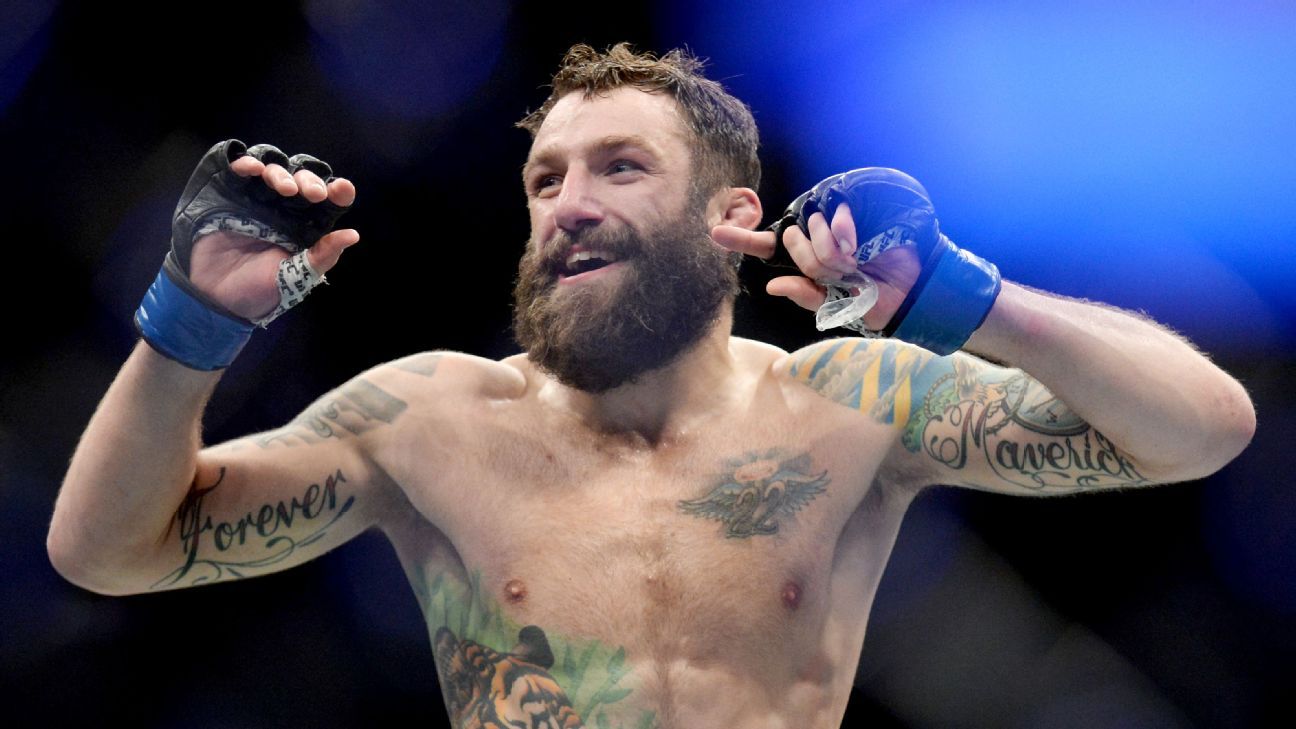
Michael Chiesa Retirement Scheduled for 22nd Octagon Appearance at UFC 310
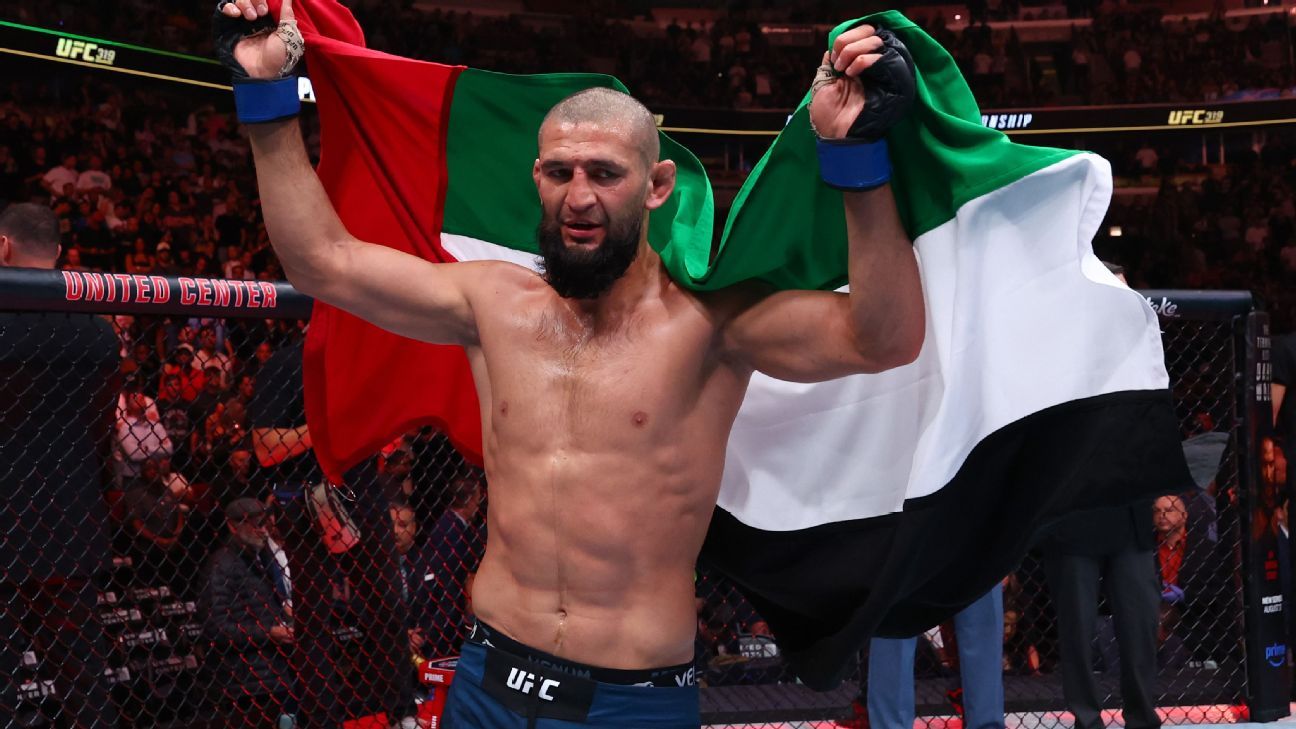
Khamzat Chimaev Defends Middleweight Title Against Sean Strickland at UFC 328