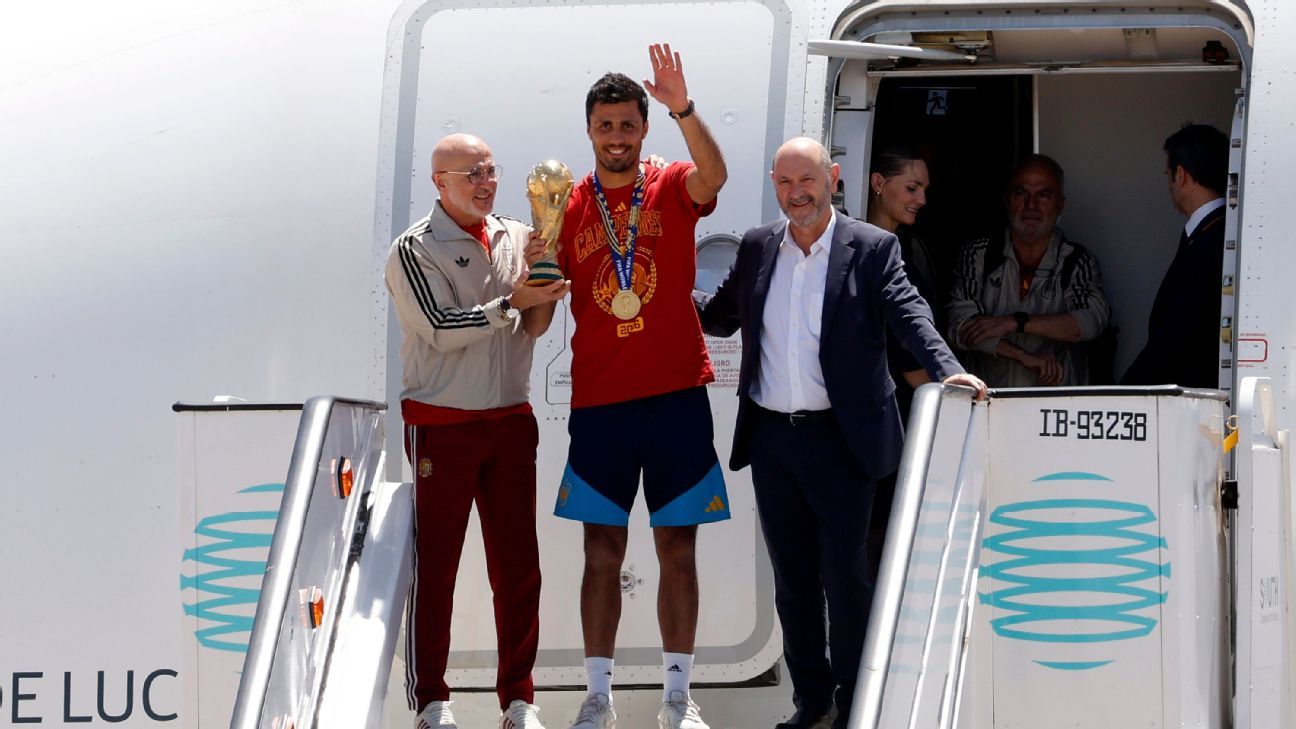
Spain defeated Argentina 1-0 in East Rutherford, New Jersey, to secure their second men's World Cup title and return home for a 26-man squad parade.
Spain secured their second men's World Cup title on Sunday with a 1-0 victory over Argentina at a final held in East Rutherford, New Jersey. The win dethroned the previous champions and marked the first time the Iberian nation has held the trophy since their 2010 triumph in South Africa. This achievement makes Spain the first country to simultaneously hold both the men's and women's World Cup titles, following the Spanish women's victory in 2023. Following the final whistle, the 26-man squad received congratulations from U.S. President Donald Trump, Mexican President Claudia Sheinbaum, and Canadian Prime Minister Mark Carney.
On Monday, the championship team returned to Madrid to begin a series of official engagements. The itinerary includes meetings with the Spanish royals and Prime Minister Pedro Sánchez at Moncloa Palace. Following these diplomatic visits, the players will board an open-top bus for a parade through the historic avenues of the capital. The route concludes at Cibeles Square, a traditional gathering point for national sports celebrations, where a formal ceremony will be held for the supporters.
Madrid Celebrations and Fan Attendance
Thousands of fans gathered along the streets of Madrid as the team prepared to travel from the prime minister’s official residence toward the city center. Supporters at Barajas airport waited in the arrivals hall wearing team jerseys and waving national flags to greet the returning champions. Near Cibeles Square, groups began securing viewing spots as early as Monday morning, using umbrellas to shield themselves from temperatures forecasted to reach 35ºC (95ºF).
Local residents expressed immense pride in the result. Victor Álvarez, a 19-year-old supporter, noted he had only slept three or four hours but remained committed to celebrating the team. Gema Rodero, a 59-year-old civil servant, described the experience as exciting and joyful, choosing to watch the match focused at home rather than in a public bar. The victory triggered immediate celebrations on Sunday night, with fans pouring into Puerta de Sol and other major squares to dance, sing, and set off flares while car horns echoed throughout the capital.
Economic and Social Context of the Victory
This championship arrives during a period of significant economic shift for the country compared to the 2010 title win. During the South African tournament, Spain faced a debt crisis, 20% unemployment, and intense nationalist regional tensions. Today, the Spanish economy is expanding and is projected to be among the fastest-growing major economies in the Eurozone. The national unemployment rate has been reduced by half since the previous victory, and separatist tensions have cooled considerably.
Tragedy in Salamanca
Despite the national delirium, celebrations were marred by a fatal accident in Salamanca, located northwest of Madrid. Local authorities reported that a 13-year-old boy died during the festivities. The teenager had climbed onto a fountain with friends to celebrate the 1-0 win when the structure collapsed, resulting in the fatality. This incident stands as the sole reported tragedy during the widespread festivities that lasted into the early hours of Monday morning.
Stay informed
Follow SportsNow.
Join the reader list for future briefings and important newsroom updates.
Reader conversation
Your take on the story
Stay with the story
Related coverage
Open desk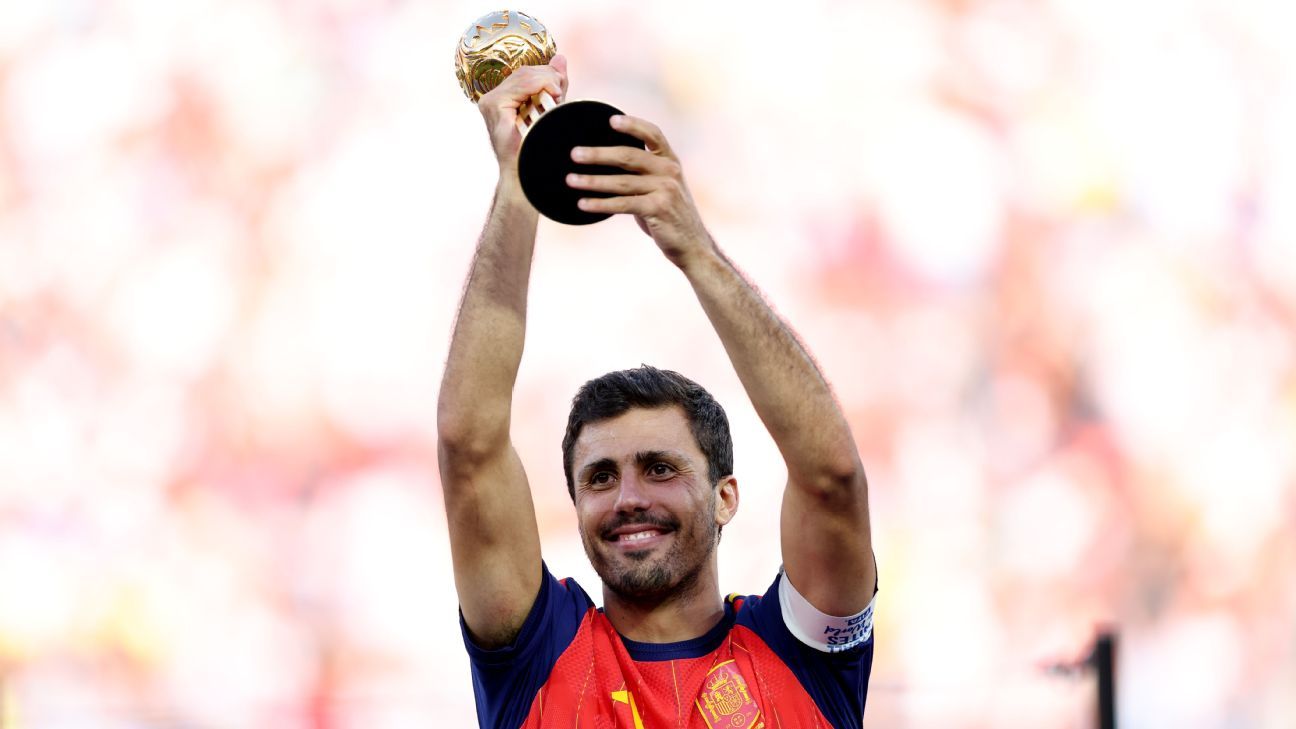
Spain Wins Second World Cup Title 1-0 as Rodri Claims Golden Ball Award
United States to Host Inaugural 19-Team Women's Club World Cup in 2028