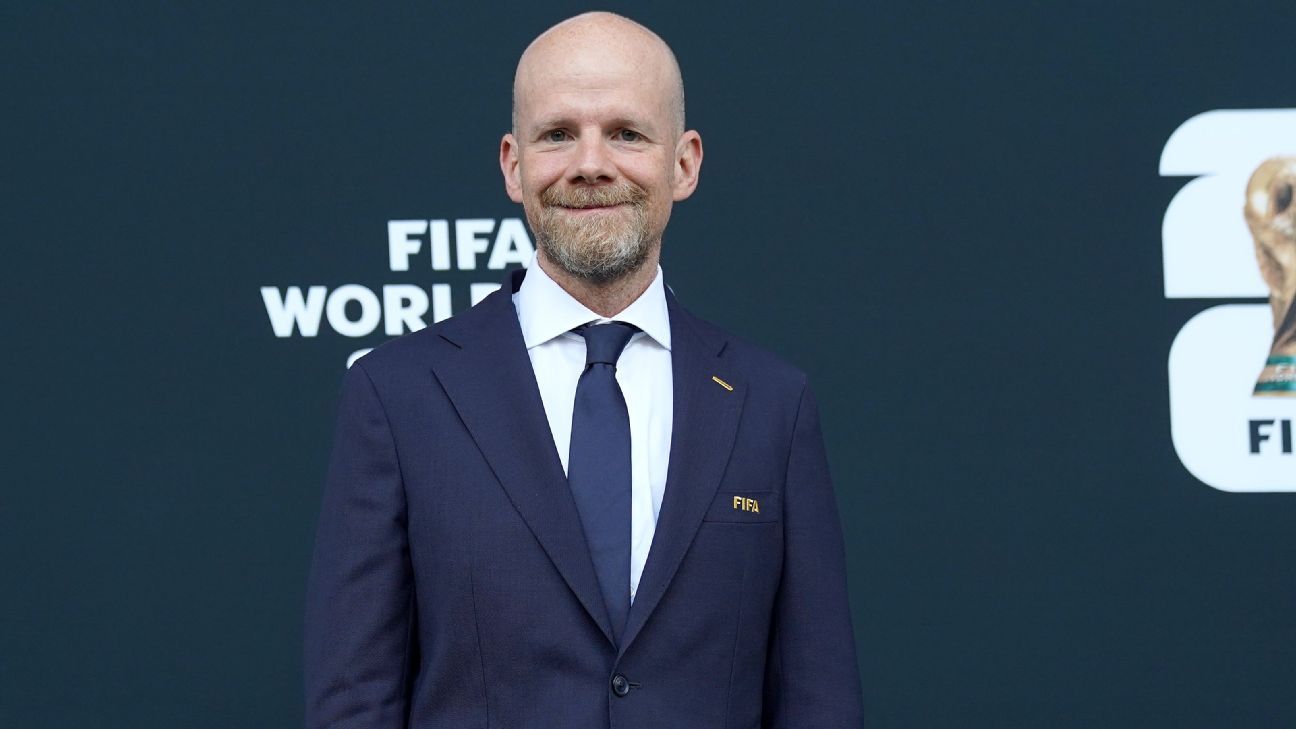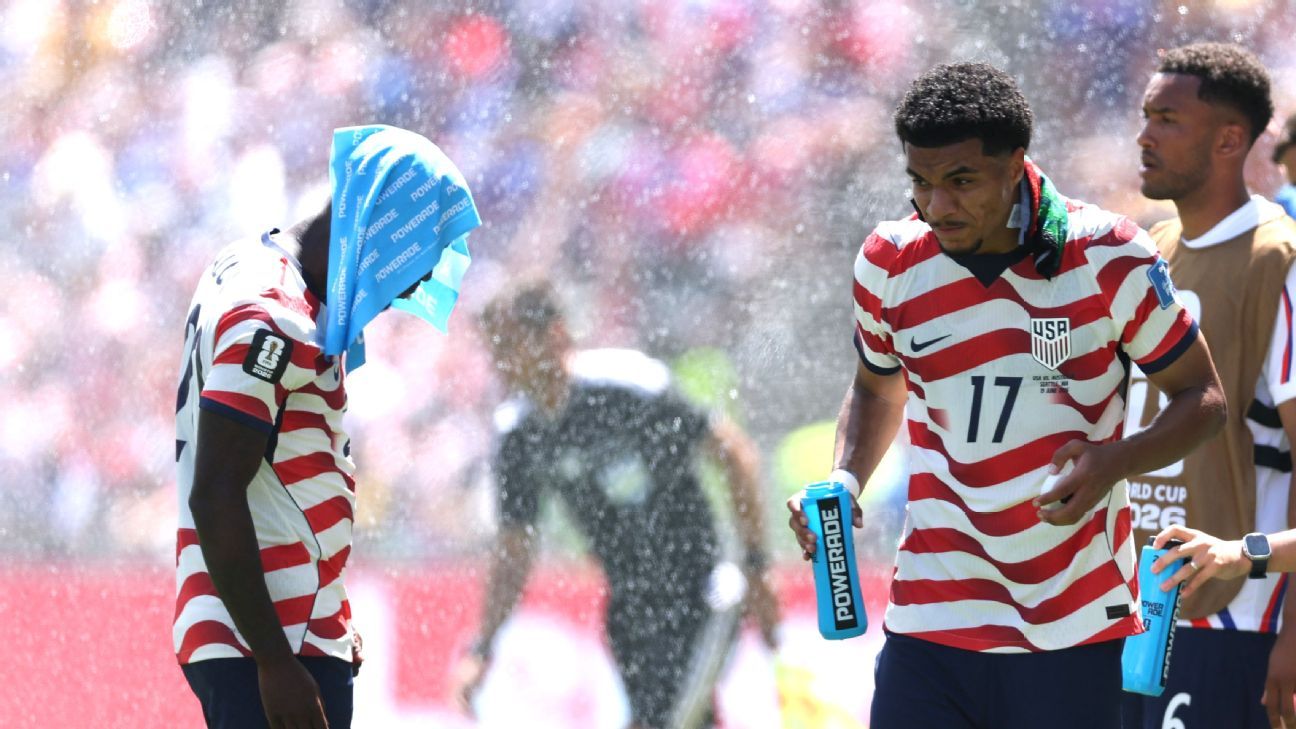
FIFA global football development chief Arsène Wenger confirmed that mandated three-minute World Cup hydration breaks did not alter match results despite generating $250 million for Fox.
Arsène Wenger, FIFA’s global football development chief, announced on Saturday that the mandated three-minute World Cup hydration breaks implemented during the 2026 tournament did not impact match results or the flow of play. These pauses, occurring midway through each half of every game, are currently under review to determine their permanent status in international soccer. While FIFA mandated these intervals for every fixture in the current competition, the practice is not yet ubiquitous across all global leagues.
Financial data from The Hollywood Reporter indicates that Fox, the United States broadcaster for the tournament, is projected to earn at least $250 million from advertisements aired specifically during these hydration breaks. This commercial potential has positioned the breaks as a primary subject for upcoming media rights negotiations, as soccer executives identify them as lucrative opportunities for televised commercial slots. Despite the financial windfall, the implementation triggered significant backlash from various stakeholders within the sport.
Tactical Usage and Stadium Backlash
During the tournament, coaches utilized the three-minute windows as tactical timeouts to deliver in-game instructions to their squads. However, the interruptions drew loud jeers from fans inside the stadiums and faced criticism from former players. Wenger noted that while some spectators expressed dissatisfaction, FIFA’s priority was to maintain consistency in how games were handled across different environments. The global football development chief stated that a deep analysis will follow the competition to conclude if the breaks served the best interests of those watching the sport.
Sunday’s World Cup final at MetLife Stadium in New Jersey features Argentina against Spain, marking only the second time the Spanish side has played an outdoor match during this tournament. To ensure consistency, FIFA stipulated that the breaks occur regardless of local weather conditions, venue types, or specific locations. This mandate extended to matches held in the four indoor venues of Atlanta, Dallas, Houston, and Vancouver, where climate control did not exempt teams from the scheduled pauses.
Historical Context and Regulatory Origins
FIFA first introduced cooling breaks during the 2014 World Cup in Brazil following a labor court mandate. That ruling required players to receive rest periods when temperatures reached a threshold of 89.6 degrees Fahrenheit. In the years since, most worldwide leagues have adopted varied rules for action stoppages, typically leaving the decision to the referee’s discretion or basing it on specific weather forecasts.
Jurgen Klopp has voiced concerns regarding the current format, suggesting that the World Cup hydration breaks are too long at their current 0:49 to three-minute duration. Wenger reiterated on Saturday that the breaks were initially deemed necessary for some games to protect player welfare in the summer heat of the United States, Canada, and Mexico. FIFA officials will now examine the overall impact of the policy before deciding if the mandatory mid-half structure will continue in future international cycles. The Associated Press contributed details to this report regarding the ongoing evaluation of the 2026 tournament regulations.
Stay informed
Follow SportsNow.
Join the reader list for future briefings and important newsroom updates.
Reader conversation
Your take on the story
Stay with the story
Related coverage
Open desk
United States to Host Inaugural 19-Team Women's Club World Cup in 2028
USWNT U17 Crushes Samoa 17-0 to Set FIFA World Cup Scoring Record