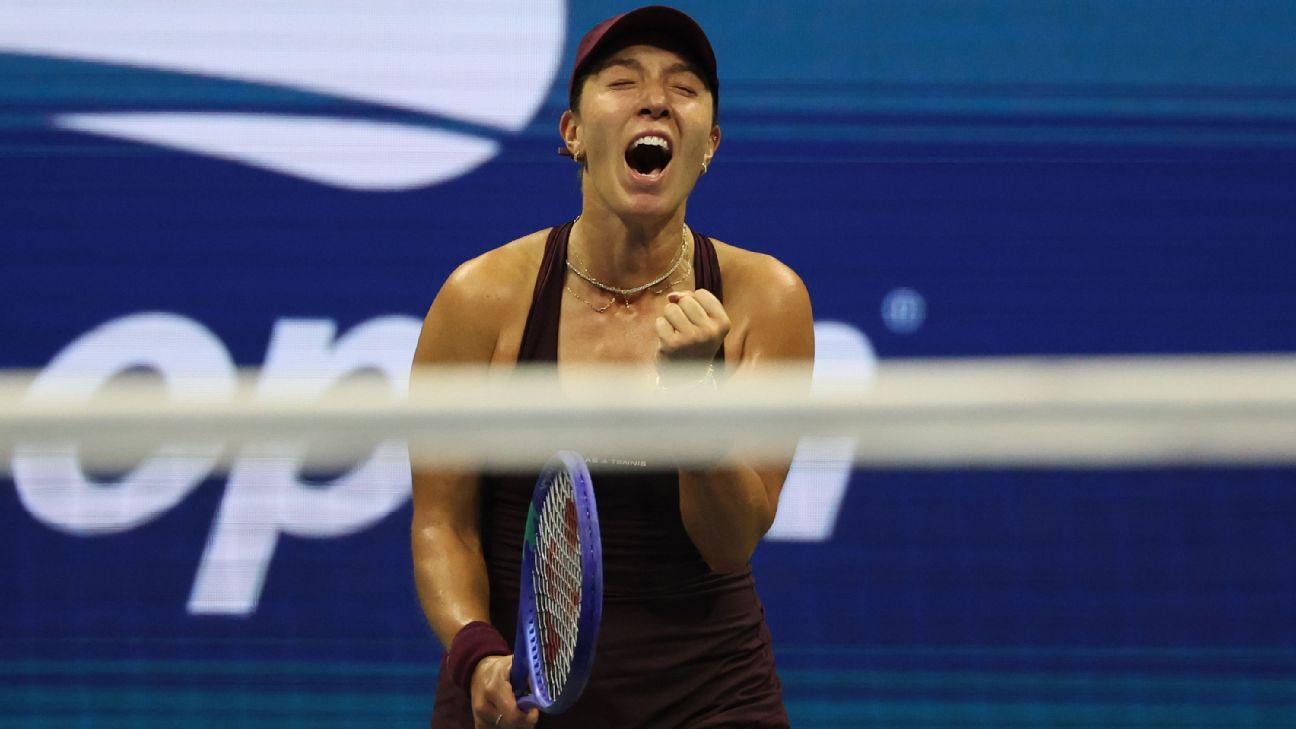
Former US Open champion Emma Raducanu hasn't held back her frustration regarding the Australian Open's logistics, claiming a chaotic schedule has hindered her final preparations for the year's first Grand Slam.
Clock Ticking: Emma Raducanu Blasts Australian Open Scheduling 'Scramble'
The calm before the storm in Melbourne has been replaced by a whirlwind of frustration for Emma Raducanu. The 21-year-old Briton, who is still finding her footing on the professional circuit after an injury-plagued 2023, has voiced significant disappointment over the Australian Open’s scheduling, describing a frantic race against time just to make it to the practice courts. This public declaration casts a shadow over her highly anticipated return to Grand Slam tennis, where all eyes are on her performance after a challenging period away from the top tier.
While the year's first Major is usually defined by its relaxed 'Happy Slam' atmosphere, Raducanu’s experience has been anything but serene. The former world number ten revealed that she has been forced to 'scramble' through her pre-tournament routine, citing a lack of consistency in match timings and practice availability that has disrupted her highly calculated comeback strategy. Her comments highlight a growing tension between the demands of professional athletes and the logistical complexities of staging a massive international event like the Australian Open. For a player meticulously planning every aspect of her return, these unexpected hurdles are far from ideal.
For a player whose career has been defined by high-pressure moments and intense scrutiny, these logistical hurdles represent more than just a minor inconvenience. Raducanu’s camp has emphasized the importance of a structured buildup, especially as she works to regain the physical intensity required for best-of-three-set matches in the grueling Australian heat. Being left 'less than impressed' by the organizers suggests a disconnect between the players' needs and the tournament's broadcast-driven itinerary. The specific issues raised by Raducanu include late notifications for practice court allocations, inconsistent match start times that make planning recovery and warm-ups difficult, and a general sense of disorganization that has added unnecessary stress to her preparations for the Raducanu Australian Open campaign.
Despite the friction off the court, Raducanu remains a focal point of the tournament's opening rounds. Her journey back to competitive tennis, particularly at a Grand Slam, is a major storyline. However, the shadow of this scheduling spat looms large; in a sport where elite margins are thin, the mental energy spent navigating administrative chaos is energy taken away from her forehand. Whether this frustration fuels a 'siege mentality' performance or serves as a distraction remains to be seen as the first balls are struck at Melbourne Park. The early rounds of the Raducanu Australian Open will undoubtedly be scrutinized not just for her tennis, but for any signs of how these pre-tournament stresses have impacted her focus and resilience.
The Broader Impact on Player Welfare and Performance
Raducanu's outspoken criticism isn't an isolated incident but rather echoes a sentiment often whispered among players regarding Grand Slam scheduling. The sheer scale of the Australian Open, with hundreds of matches across multiple courts and a global television audience, inevitably creates logistical challenges. However, players consistently advocate for more consideration of their physical and mental well-being. For someone like Raducanu, who is meticulously managing her body after multiple surgeries in 2023, consistent practice slots and predictable match times are not luxuries but necessities for injury prevention and peak performance. The intense heat of the Australian summer further exacerbates these issues, making proper acclimatization and recovery paramount. Disrupted routines can lead to inadequate warm-ups, rushed cool-downs, and increased fatigue, all of which heighten the risk of injury and diminish a player's ability to compete at their best. Her experience with the Raducanu Australian Open scheduling highlights a systemic issue that extends beyond just one player.
Furthermore, the mental toll of uncertainty cannot be underestimated. Elite athletes thrive on routine and control. When that control is stripped away by last-minute changes and a lack of clear communication, it can create significant psychological stress. This stress diverts mental energy away from strategic planning and match focus, forcing players to expend valuable resources on logistical problem-solving. For a player like Raducanu, who is also navigating the immense pressure of a comeback and public expectations, any additional stressor can be detrimental. Her comments about 'scrambling' paint a vivid picture of the chaotic environment she's been forced to contend with, which is far from the ideal preparation for a major championship. The Raducanu Australian Open saga thus becomes a microcosm of the larger debate around player welfare in professional tennis.
The Commercial Imperatives vs. Athlete Needs
The tension between player needs and tournament scheduling often boils down to the immense commercial pressures faced by Grand Slams. Broadcast rights, prime-time slots, and maximizing spectator attendance dictate much of the daily schedule. Night sessions, for example, are highly lucrative but can mean players finish matches well past midnight, leaving minimal time for recovery before potentially playing again the next day. While tournament organizers aim to create an exciting spectacle, the current system sometimes overlooks the delicate balance required for athletes to perform at their highest level consistently.
Raducanu's comments about being 'less than impressed' suggest a feeling that player welfare might be taking a backseat to these commercial imperatives. In an era where player burnout and mental health are increasingly recognized issues, such feedback should prompt a re-evaluation from tournament directors. Finding a more equitable balance that respects both the commercial demands and the athletes' need for optimal preparation and recovery is crucial for the long-term health of the sport. The Raducanu Australian Open experience serves as a timely reminder that while the show must go on, the stars of that show need to be in the best possible condition to deliver it. Her voice, alongside others, could contribute to much-needed conversations about how major tournaments can better support their most valuable assets: the players themselves.
Stay informed
Follow SportsNow.
Join the reader list for future briefings and important newsroom updates.
Reader conversation
Your take on the story
Stay with the story
Related coverage
Open desk
Swiatek Secures 6-3, 6-2 Win as Eric Butorac Manages US Open Scheduling
Alcaraz, Gauff, and Sinner Set for 1 Point Slam at Australian Open